
Your beans decide a lot before water ever hits the grounds. If you’ve bought one bag that tasted like berries and tea, then another that tasted like chocolate every morning, you’ve already felt the split between single-origin coffee and blends.
In the single-origin vs blended coffee debate, taste matters more than status. One style highlights a specific place. The other is built for balance and repeatability. That choice affects price, flavor, and even which brew method makes the beans shine.
What sets them apart in the bag and cup
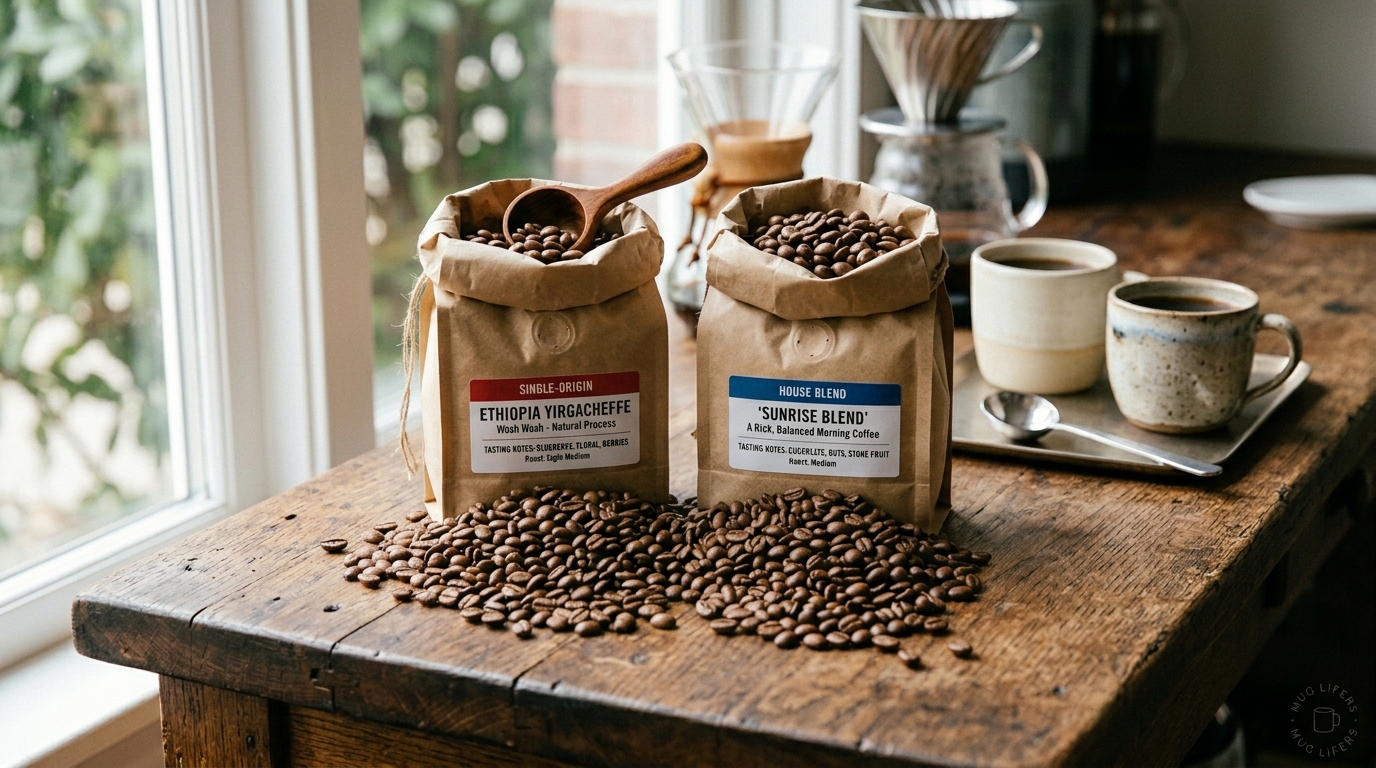
Single-origin coffee comes from one source. Depending on the label, that might mean one farm, one lot, one region, or one country. The goal is traceability. You can often see where the coffee grew, who produced it, and sometimes how it was processed. Country-only labels are still useful, but they tell a broader story than farm-specific ones.
A blend combines coffees from more than one source. Roasters mix beans to hit a target flavor, body, and sweetness. Some share the full recipe. Others only describe the end result. Either way, the cup is designed, not accidental.
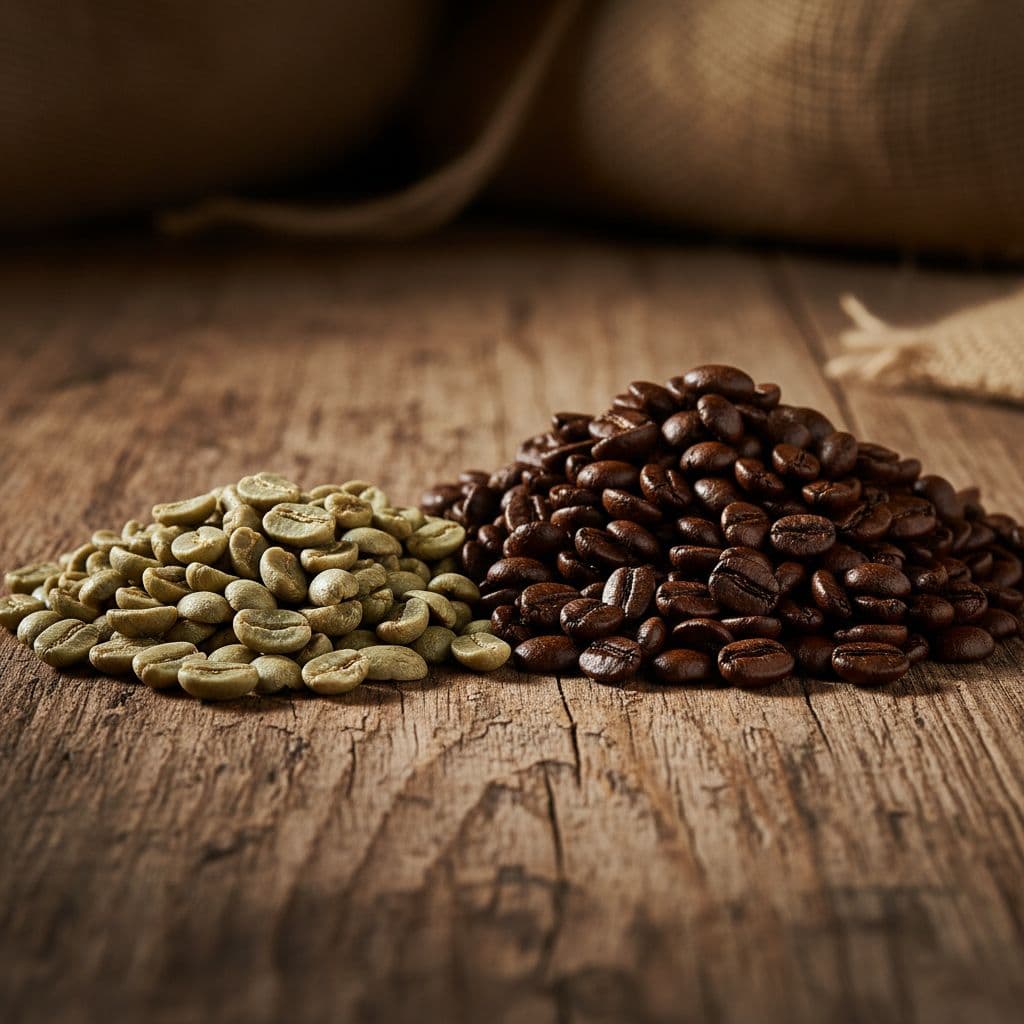
Single-origin puts a place in the spotlight. A blend puts the final cup first.
That difference shows up fast in the mug. Single-origin coffees often taste more distinct. You might notice floral, citrus, berry, or stone fruit notes more clearly. Blends usually taste rounder and more even, with chocolate, caramel, nuts, and a heavier body showing up more often.
Labels can get confusing, though. If you want to understand common coffee brewing terminology, it helps to know that flavor also changes with roast level, process, grind size, and extraction. Beans are only one part of the story, but they’re still the starting point.
Single-origin coffee: where it shines, where it stumbles
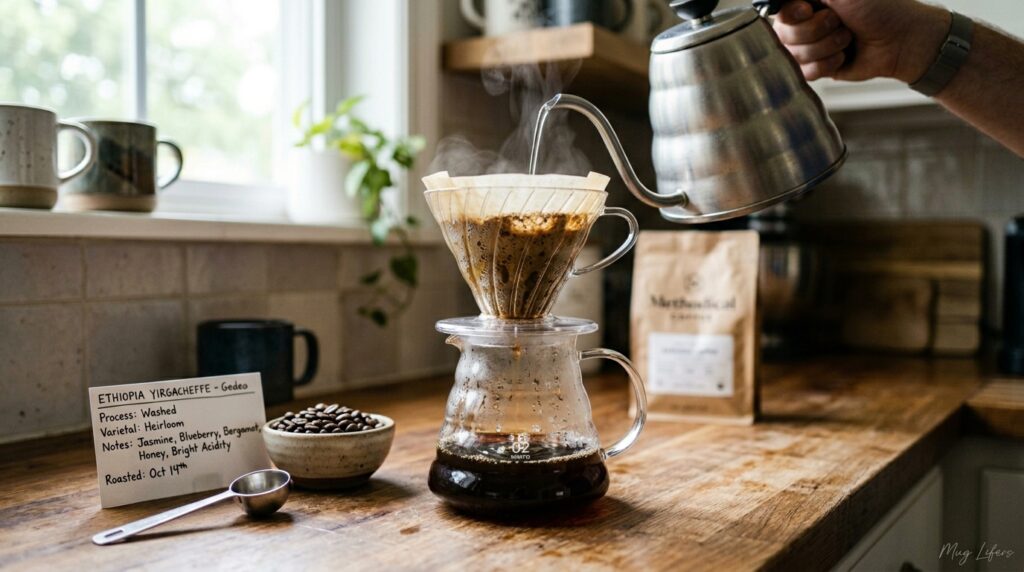
Single-origin beans are great when you want to taste where a coffee came from. Soil, altitude, climate, and processing leave clear fingerprints on the cup. That’s why a washed Ethiopian can feel bright and tea-like, while a Brazilian coffee might land softer and nuttier.
That identity is the biggest upside. Traceability is another. Many single-origin bags tell you far more about the producer and harvest than a generic store blend ever will. When the bag lists a farm or lot, you get a closer connection to the people behind the coffee.
These beans also work well for manual brewing. Pour-over, Chemex, and AeroPress tend to highlight their cleaner edges and subtle notes. If you like a crisp, expressive cup, this pour-over brewing guide for better flavor pairs well with a good single-origin bag.
Still, single-origin coffee has tradeoffs. Flavor can shift from season to season, because weather and harvest conditions change. That can be exciting if you like variety. It can also be annoying if you want the same cup every morning.
Price is another factor. Single-origin coffee is often more expensive because it’s sold in smaller lots and isn’t always available year-round. Some bags can taste sharper or lighter than casual drinkers expect, especially with light roasts. In milk drinks, those fine notes can vanish fast.
Blended coffee beans: steady, friendly, sometimes less exciting
Blended coffee wins on balance. Roasters can combine one coffee for sweetness, another for body, and a third for brightness. When the mix is good, the cup feels settled and complete. That’s a big reason many cafes use blends for house espresso.
Milk drinks usually benefit too. A blend’s chocolatey base and fuller body tend to cut through milk better than a delicate single-origin. If you drink lattes, cappuccinos, or flat whites most days, a blend often gives you a smoother ride.
Consistency is another strong point. Roasters can adjust the recipe as crops change, so the flavor stays close to what you liked last month. Good roasters sometimes tell you which origins are in the bag, but the real promise is the cup profile, not one farm name.
Blends also tend to cost less. They’re usually easier to source year-round, so roasters can keep them on the shelf. That said, price doesn’t tell the whole story. Some premium blends cost more than entry-level single-origin coffee, and the best guide is still how bean quality affects your morning brew.
The downside is character. A blend can smooth out the edges so well that it also smooths out the personality. You may lose the bright or memorable notes that make a coffee stand out. In cheaper blends, mixing can also hide weak beans or heavy roasting.
How to choose for your taste and brew method
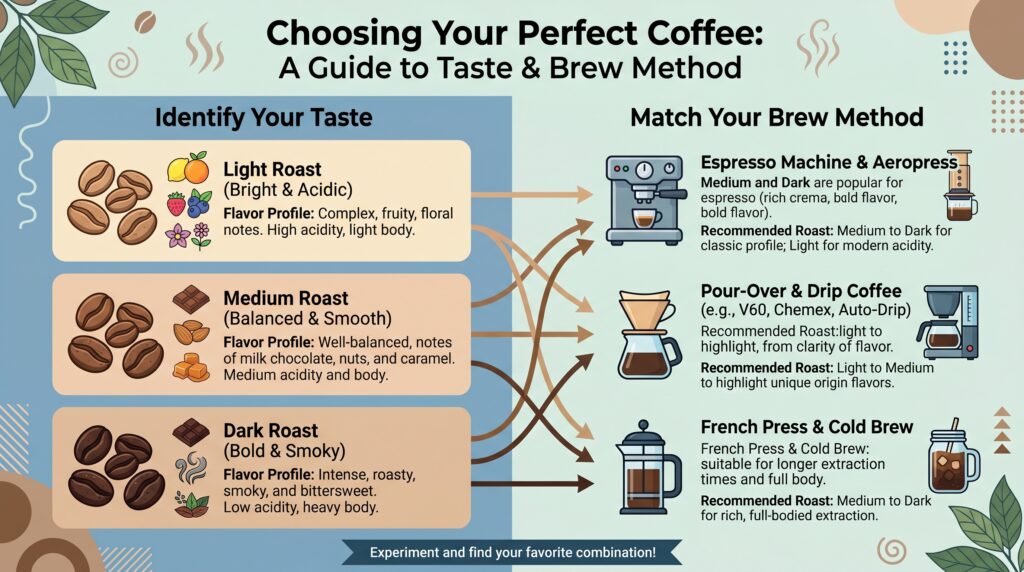
Your best pick depends on what you want from coffee most days. If you chase flavor notes, enjoy black coffee, and don’t mind seasonal change, single-origin beans make more sense. They reward attention and can make one mug feel noticeably different from the next, which is exactly why single-origin specialists like Tokyo’s Glitch Coffee build their entire menu around them.
Blended coffee makes life easier when you want a reliable cup. It’s often the better choice for espresso, batch brew, and milk drinks. It also fits households where more than one person drinks coffee and everyone likes something easy to enjoy.
For anyone still undecided, buy two small bags and brew them side by side. Use the same water, ratio, and grinder. The difference shows up fast when everything else stays the same. One cup will usually smell more specific. The other will often taste more rounded. That simple test tells you more than marketing copy on the bag.
Final thoughts On Single-Origin vs Blended Coffee
Fancy labels matter less than fit. Choose single-origin when you want clarity, traceability, and a taste of one place. Reach for a blend when you want balance, comfort, and repeatable results.
Most coffee lovers end up enjoying both. One bag is great for a slow weekend pour-over, and the other makes weekday mornings easy. A shelf with both isn’t indecision. It’s a smart way to drink better coffee.
Looking for a great way to start your exploration of great coffee? i would suggest investing in a sample pack to get you started and Seven Coffee Roasters has a bundle that I would recommend. They are members of the Specialty Coffee Association and Kona Coffee Counsel, two of the most highly respected organizations in specialty coffee.
This post may contain affiliate links. If you make a purchase through these links, I may earn a small commission at no extra cost to you.
Frequently Asked Questions About Single-Origin vs Blended Coffee
Is single-origin coffee better than blended coffee?
Single-origin coffee is not always better. It depends on what you like. Single-origin coffee is great if you want distinct flavor notes and traceability. Blended coffee is better if you want a balanced, steady cup that tastes similar every time.
What is the main difference between single-origin and blended coffee?
Single-origin coffee comes from one source, such as one farm, region, or country. Blended coffee combines beans from more than one source to create a specific flavor, body, and balance.
Which coffee is better for beginners?
Blended coffee is often easier for beginners because it tends to taste smoother and more familiar. Single-origin coffee can be more interesting, but some bags may taste brighter, sharper, or lighter than expected.
Is single-origin coffee better for pour-over?
Yes, single-origin coffee often works well for pour-over because the brewing method highlights subtle flavors. Floral, citrus, berry, and tea-like notes can come through more clearly when brewed carefully.
Is blended coffee better for espresso?
Blended coffee is often a strong choice for espresso. Many roasters build espresso blends for sweetness, body, and balance. Blends also tend to work well in lattes, cappuccinos, and other milk drinks.
Why does single-origin coffee cost more?
Single-origin coffee often costs more because it may come from smaller lots, specific farms, or seasonal harvests. These coffees can also include more traceability and detail about where the beans came from.
Can I use single-origin coffee with milk?
Yes, you can use single-origin coffee with milk. Just know that delicate flavor notes may get covered up. If you mostly drink lattes or cappuccinos, a blend with more body may give you a richer cup.
Should I buy single-origin or blended coffee?
Buy single-origin coffee if you like exploring unique flavors and drinking coffee black. Buy blended coffee if you want a reliable everyday cup, especially for espresso or milk drinks. Keeping both on hand is honestly the best move.


