

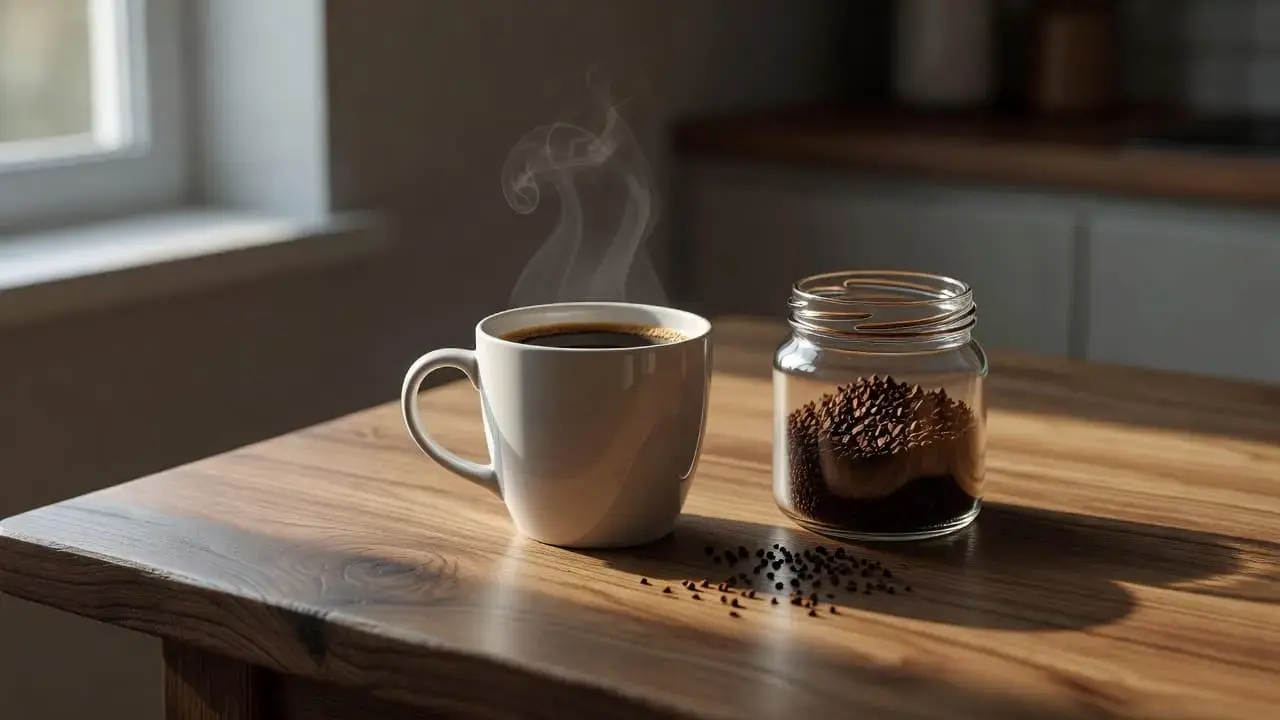
What is instant coffee and is it real coffee?
Yes — instant coffee is made from real roasted and brewed coffee beans. The water is removed through either freeze-drying (better flavor) or spray-drying (cheaper), leaving soluble granules that dissolve instantly in hot water. It has slightly less caffeine than a standard brewed cup, but it’s faster, easier to store, and cleaner to make — no brewer, grinder, or filters needed.
Prep time
Under 1 min
Caffeine vs brewed
Slightly less
Best method
Freeze-dried
Keto-friendly
Yes (plain)
Is instant coffee the underdog of the caffeine world? Often dismissed as a secondary option, it actually starts as real, high-quality brewed coffee. For anyone juggling a busy lifestyle, limited counter space, or a need for a quick morning boost, instant coffee is the ultimate problem-solver.
Today’s premium instant options have come a long way, offering shelf-stable convenience without sacrificing the satisfying ritual of a hot mug. If you’re curious about how it stacks up against fresh grounds and how to master the perfect cup, you’re in the right place.
Key Takeaways
- Real coffee origins: Instant coffee is made from actual roasted, brewed coffee beans, not synthetic ingredients; the process simply removes the water, leaving behind soluble granules.
- Freeze-drying vs. spray-drying: Freeze-dried coffee is generally of higher quality because it avoids extreme heat, preserving more of the original aroma and flavor profile.
- Speed and convenience: While it lacks the complex layers of fresh-ground, pour-over coffee, instant is the ultimate solution for travel, camping, and busy mornings where time is limited.
- Adjustable intensity: Because it often contains slightly less caffeine than standard brews, it is an excellent choice for those seeking a milder caffeine intake or a late-afternoon cup.
What instant coffee actually is and how it’s made
Instant coffee is not a synthetic product. It begins its journey as green coffee beans, which are roasted, ground, and brewed into a strong, concentrated liquid before the water is removed to create soluble coffee that is shelf-stable and ready for use.
From roasted beans to concentrated brew
The production process is straightforward. Whether manufacturers start with Arabica beans for a nuanced flavor or Robusta beans for a bolder profile, the beans are roasted and brewed into a concentrated batch. That liquid is filtered and processed into dry coffee granules that dissolve instantly when you add hot water.
Think of it as pre-brewed coffee that has been reduced. The flavor profile develops during the initial brewing, and the water is removed so you can simply rehydrate the coffee in your mug later.
Why does the drying method change the final cup?
Spray Drying
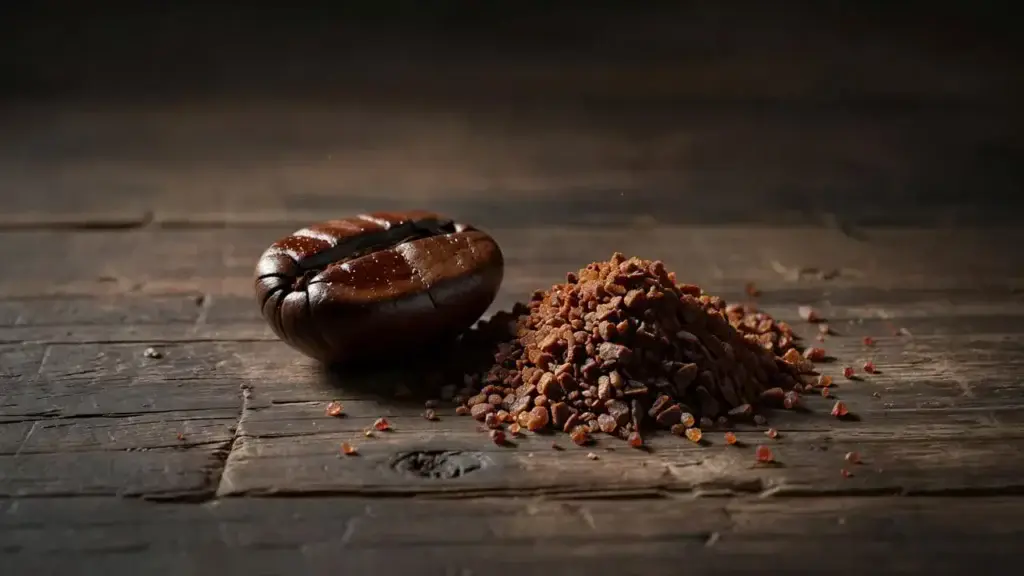
The two primary techniques are spray drying and freeze drying. Spray drying involves misting concentrated liquid coffee into a stream of hot air. This method is efficient and cost-effective, which is why spray drying is common for many widely available jars and packets.
Freeze Drying
Freeze drying takes a much gentler approach. The brewed coffee is frozen, and the ice is removed through a process called sublimation in a vacuum. Because freeze drying avoids extreme heat, this method typically retains more of the original aroma and flavor compounds.
Freeze-dried instant coffee isn’t just a shortcut — it’s actually engineered to preserve flavor. The brewed coffee is frozen solid, then placed in a vacuum where the ice evaporates directly into gas, skipping the liquid stage entirely. This process, called sublimation, protects the aromatic compounds that make coffee taste fresh rather than flat.
The Difference
This distinction is noticeable in the final cup. Spray-dried coffee can sometimes taste thinner or flatter. Conversely, freeze-dried versions often provide a smoother experience that closely mimics fresh coffee, characterized by larger crystals and a more robust fragrance the moment they encounter your mug.
How instant coffee compares with ground coffee
Freshly brewed coffee usually wins on aroma and complexity. Still, instant coffee isn’t meant to be the same experience every time.
Here is the quick side-by-side view:
| Factor | Instant coffee | Ground coffee |
|---|---|---|
| Taste profile | Simpler, lighter | More layered, fresher |
| Caffeine content | Often a bit lower | Often stronger |
| Prep time | Hot water and stir | Brewer, grounds, time |
| Cleanup | Almost none | Grounds and gear |
The short version is easy: brewed coffee usually offers more depth, but instant coffee wins on speed and effort.
Taste, aroma, and body in everyday terms
If you grind beans fresh and brew them well, ground coffee usually has more layers. You get more fragrance, a more distinct mouthfeel, and more of the little notes that make one cup taste chocolaty and another taste citrusy.
Instant coffee is often lighter in body and less complex, though some premium varieties can mimic an espresso-style profile. That does not mean it is bad. A good instant option can still be smooth, rich enough, and easy to drink. If you want the full ritual, higher acidity, and a cleaner, brighter cup, how to brew pour over coffee is still worth knowing.
Caffeine content and what it means for your routine
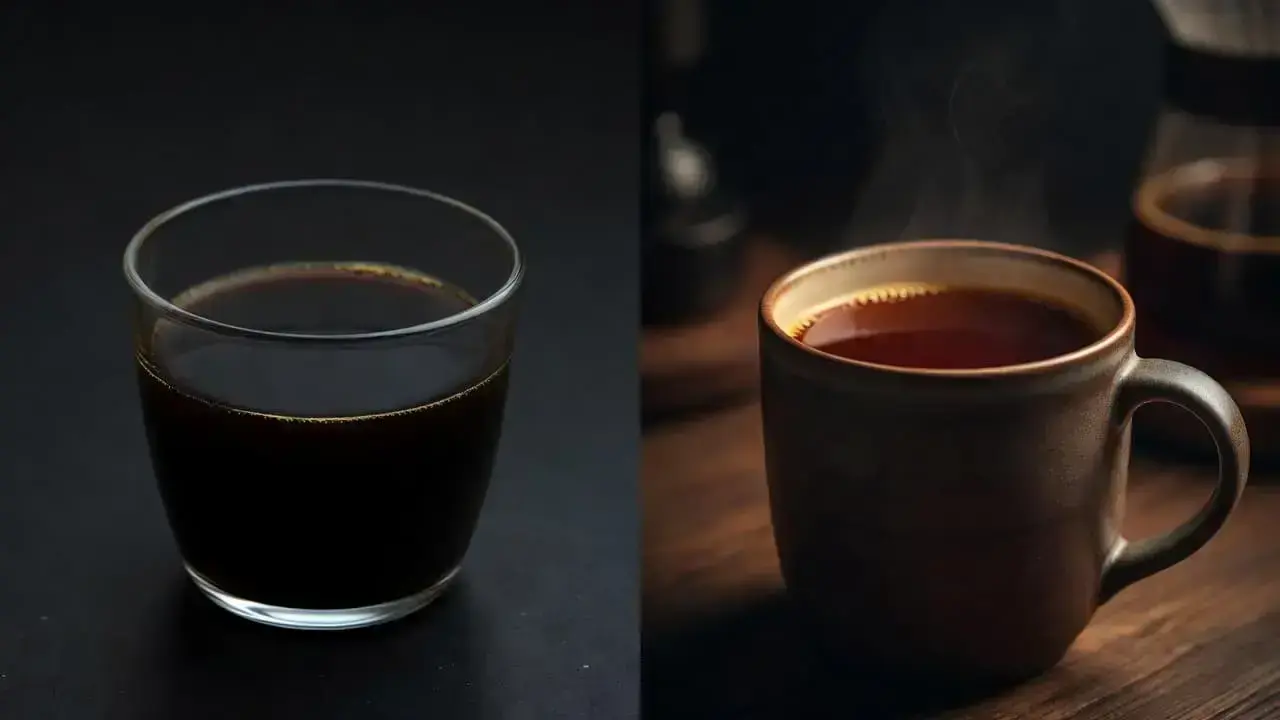
Instant coffee often has slightly less caffeine per cup than regular brewed coffee. For some people, that is disappointing. For others, it is the whole appeal.
If strong drip coffee makes you jittery, or if you want a second cup later in the day, instant coffee can be a better fit. It still gives you the flavor and comfort of coffee, only with a gentler push.
Convenience, cost, and cleanup
This is where instant coffee pulls ahead. No grinde, filters, or brewer to rinse. Add hot water, stir, and you are done.
That matters more than some coffee enthusiasts like to admit. In hotels, offices, dorms, and rushed mornings, instant is often the fastest path between “I need coffee” and “okay, now I am functioning.”
When instant coffee is the smartest choice
Some coffee moments are about chasing flavor. Others are about getting a solid cup without turning the whole morning into a project.
Travel, camping, and small kitchens
When luggage space is tight, or your kitchen setup is basically a mug and a kettle, instant coffee makes perfect sense. A few single-serve packets can solve the whole problem.
Camping is the classic example. If you want coffee at sunrise without packing a grinder, scale, and brewer, this remains a convenient way to keep the ritual alive. You still get the steam, the warmth, and that first sip outside. Because of its impressive shelf life and minimal storage requirements, it is an ideal companion for any trip.
Busy mornings and office breaks
Not every cup needs careful pours and a timer. Sometimes you have eight minutes before a meeting. Sometimes life is louder than your coffee routine.
Instant coffee is fast, consistent, and repeatable. That is why it works so well at work, and why plenty of coffee lovers keep it around even when they own better gear.
Times when a lighter caffeine hit is useful
A strong brewed coffee can hit hard. It is great at 7 a.m., but not always ideal at 3 p.m.
If you want coffee flavor without a full jolt, instant coffee can be a better fit. It is a practical option for people who like coffee but do not want every cup to feel high-powered. For those looking to avoid caffeine entirely in the afternoon, there is also the option of decaffeinated coffee, which provides that familiar taste without the stimulant effect.
How to make instant coffee taste better
A rough cup of instant coffee is easy to make. So is a surprisingly good one.
Use the right water temperature and ratio
Hot water that is actively boiling can make some instant coffee taste harsh or scorched. Let the kettle sit for about 30 seconds after boiling, then mix. Start with a little less hot water than you think you need, taste your drink, and add more if needed.
Thin instant coffee usually isn’t a brand problem. It’s a ratio problem.
Water quality matters too. If your water smells off, your coffee will too. This guide on how water quality affects coffee taste makes the difference easy to understand.
Add milk, spices, or a little sweetness
A splash of milk can round out bitterness. Oat milk adds body. Cinnamon, cocoa, or a small spoonful of sugar can lift a flat cup without much effort. Whether you prefer a bold Cafe Bustelo or a balanced Starbucks Via, the goal isn’t to hide the coffee. It’s to give it a little help.
Choose better brands and store them well
Quality varies a lot, so experiment with different options. You might enjoy the smooth finish of a medium roast from Mount Hagen, or perhaps you prefer the intense depth of a dark roast from Blue Bottle. Freeze-dried coffee granules usually taste better than the cheapest powders, and newer options from Nescafé or Folgers are clearly better than the products many people remember from years ago.
Once opened, keep your coffee sealed, dry, and away from heat. It lasts well, but stale air can still dull the flavor of your favorite blend.
Final thoughts
Instant coffee has earned its place, not as a sad backup, but as a smart part of any coffee lover’s routine. It is quick, easy to store, and simple to clean up, making it the perfect companion for travel, busy workdays, or that low-effort second cup.
While both begin as high-quality coffee beans, the primary difference between the two methods lies in quality and preparation. When you choose a reputable brand and use fresh, filtered water, instant coffee provides a satisfying experience that rivals traditional brewed coffee. By focusing on these small details, you will find that instant coffee is no longer a compromise, but a convenient and delicious addition to your daily ritual.
This post may contain affiliate links. If you make a purchase through these links, I may earn a small commission at no extra cost to you.


