
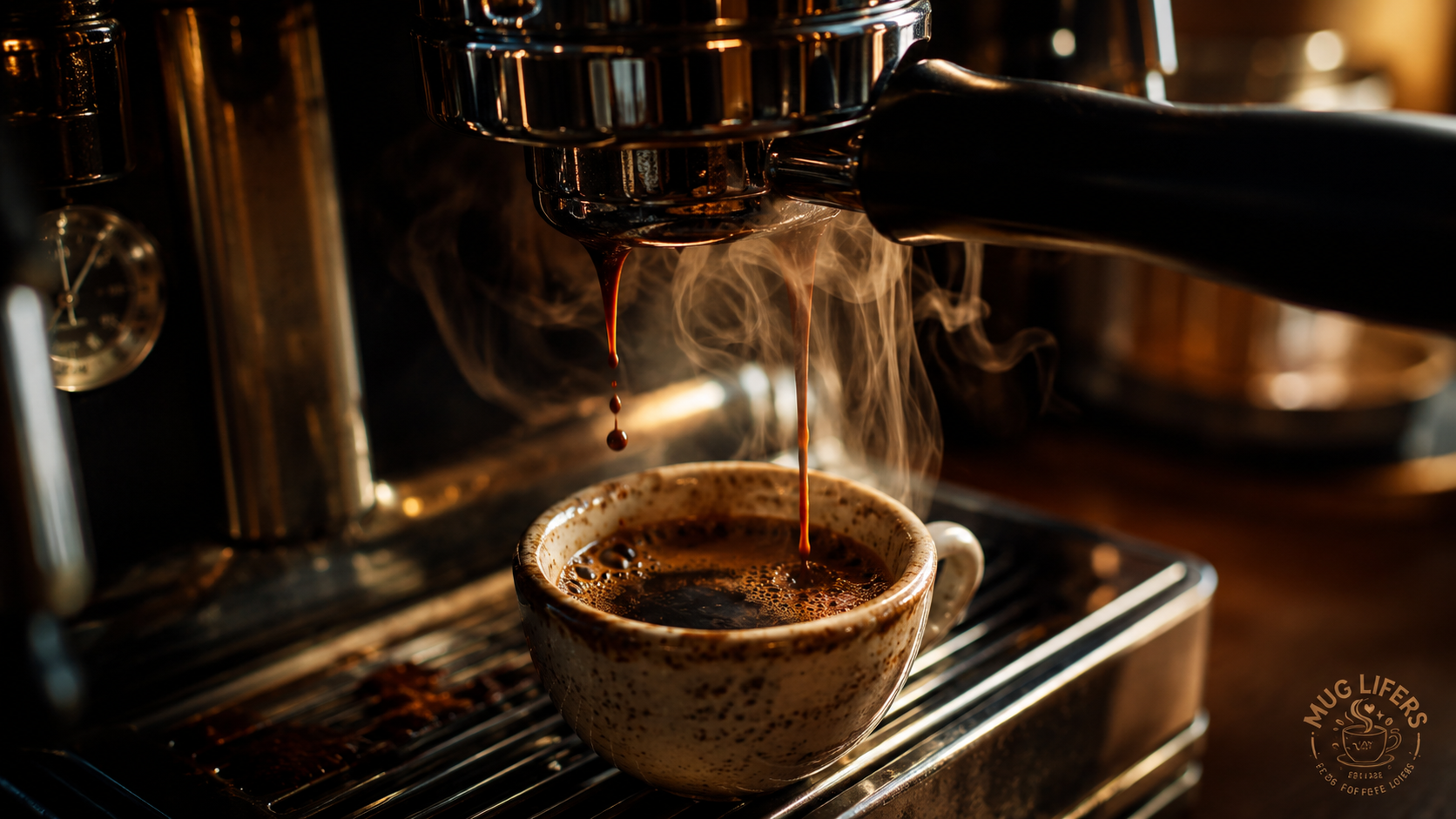
If you’ve ever taken a sip of homemade espresso and it tasted way too bitter, you’re definitely not alone. Most of the time, bitterness means there’s something off with your process or setup. Getting a smooth, tasty espresso at home can be tricky; however, a few simple tweaks can turn things around.
Why Espresso Tastes Bitter
Bitterness usually comes from over-extraction, which just means you’re pulling too many harsh flavors from the coffee grounds. This can happen because of water that’s too hot, really fine coffee grounds, or shots that last much longer than they should. Sometimes it’s even the beans themselves or how they’re stored.
I’ve battled bitter shots in my own kitchen, and most of the time, it comes down to dialing in a few things: grind size, water temperature, and how long your shot runs. Once these are balanced, espresso can go from sharp and sour to smooth and rich pretty fast.
Quick Fixes for Bitter Espresso at Home
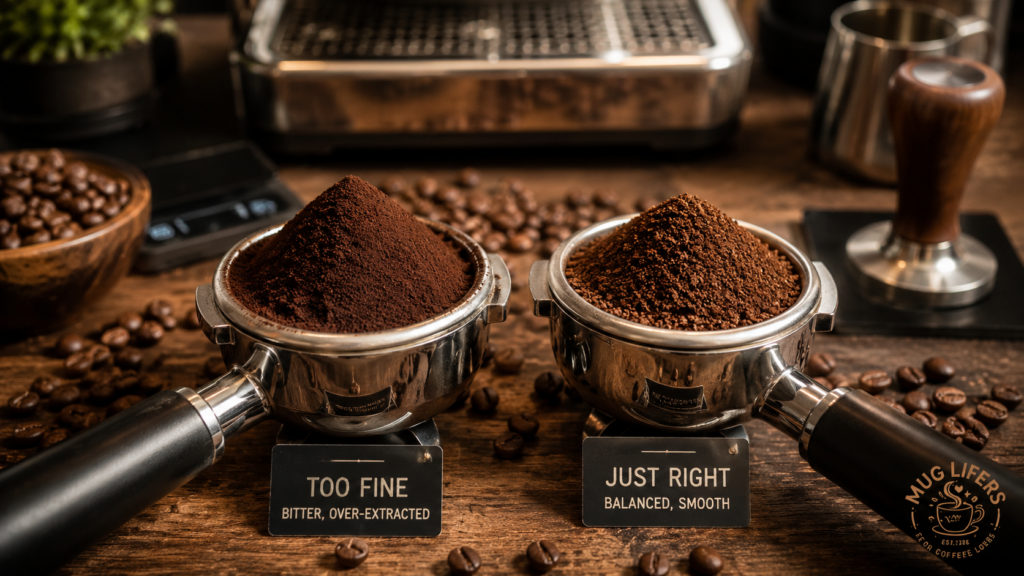
- Check Your Grind Size:Superfine grounds slow the flow of water and extract bitter notes. Try a slightly coarser grind and see if the taste rounds out.
- Adjust Shot Time: Standard espresso shots run around 25 to 30 seconds. If it goes longer, you start to pick up bitterness. If your shot time is high, grind coarser or tamp the grounds a little more gently.
- Lower the Water Temperature: If you can change your espresso machine’s water temp, aim for about 195 to 200°F (90 to 93°C). Hotter water extracts more of those bitter compounds.
- Fresh Coffee Beans: Old or stale beans lead to flat, bitter espresso. I always aim to use beans within a couple of weeks of roasting for the best flavor.
- Clean Your Machine: Old coffee oils can mess up the taste. Running a cleaning cycle or scrubbing parts with warm water can give a surprising boost to your espresso’s flavor.
Taste Tweaks and Extra Tips
If you want your espresso a little sweeter, test out blends with natural or medium roasts. These tend to be softer on the palate. Also, filtered water cuts down on bad flavors compared to tap. Sometimes, just switching your water source makes everything taste new. If you’re still struggling to get rid of bitterness, try smaller tweaks rather than big changes all at once; tiny adjustments can have a huge impact in espresso brewing. Experimenting can help you track down your own perfect balance.

Key Pointers:
- Bitter espresso comes from over-extraction or old beans.
- Adjust grind size, water temp, and shot timing first.
- Use fresh beans and keep your machine clean.
- Filtered water and medium roast beans help reduce bitterness.
Frequently Asked Questions
Why does my espresso taste bitter?
Bitter espresso is usually caused by over-extraction. This happens when water pulls too many harsh compounds from the coffee grounds due to a grind that’s too fine, overly hot water, or shots running too long.
Can stale coffee beans make espresso bitter?
Yes. Old beans lose freshness and often produce flat, bitter flavors. Using beans within a few weeks of roasting usually gives smoother and richer espresso.
What espresso shot time is best?
Most standard espresso shots run between 25 and 30 seconds. Longer shots often increase bitterness because the coffee becomes over-extracted.
Does water temperature affect espresso flavor?
Absolutely. Water that’s too hot extracts more bitter compounds. A range of about 195 to 200°F usually works best for balanced espresso.
Can cleaning my espresso machine improve taste?
Yes. Old coffee oils and residue build up inside machines over time and can create bitter flavors. Regular cleaning helps espresso taste fresher and smoother.


