
- Coffee Grinder Buying Guide For New Coffee Lovers
- Why A Good Coffee Grinder Matters for Beginners
- Main Types of Coffee Grinders Explained
- Beginner-Friendly Guide to Choosing Your First Coffee Grinder
- Coffee Grinder Features That Make Life Easier
- Common Challenges and What To Know Upfront
- Getting The Most Out Of Your Grinder: Pro Tips for Beginners
- Top Picks: Starter Grinders Worth Checking Out
- Small Changes Create Better Coffee
Coffee Grinder Buying Guide For New Coffee Lovers
Coffee is more than just a morning habit. Grinding your own beans opens the door to tastier, more satisfying brews. If you’re just getting into specialty coffee, figuring out the right coffee grinder can be a little overwhelming, especially with all the choices out there. I’m going to share what I’ve learned from checking out countless grinder reviews, testing a handful myself, and asking around in my local coffee community so you can pick the one that actually suits your style and needs.
Why A Good Coffee Grinder Matters for Beginners
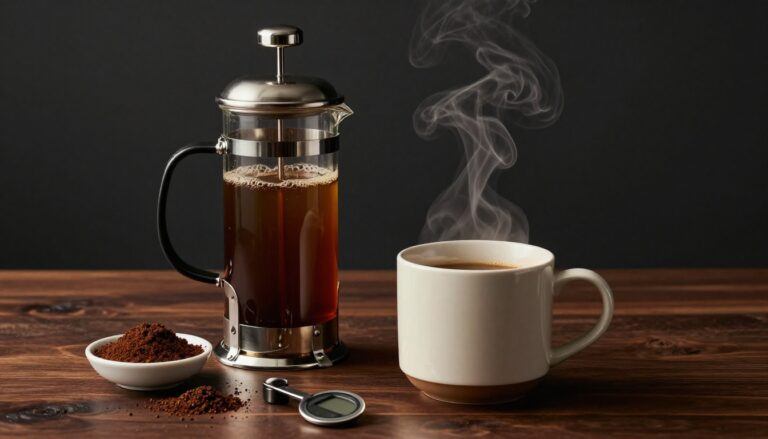
Starting with fresh-ground beans truly upgrades your daily cup. Pre-ground coffee tends to lose its punch and flavor way faster than whole beans. Grinding at home lets you control just how fine or coarse your coffee is, matching exactly what you need for your favorite brewing method, whether that’s French press, pourover, drip, or espresso.
Getting the grind right affects everything from flavor and aroma to how smooth or bitter your coffee tastes. For example, grind too fine in a French press, and you’ll get a muddy cup; too coarse for espresso, and it’ll taste weak. I learned this the hard way in my early days when my bargain-blend drip coffee used to taste like cardboard, but just switching to fresh, properly ground beans made a huge difference overnight.
Main Types of Coffee Grinders Explained
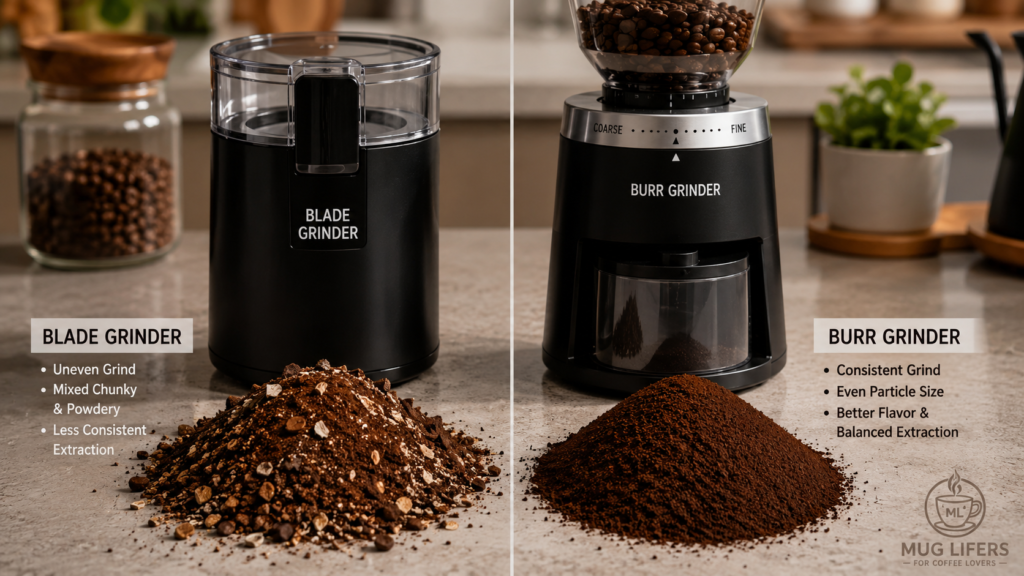
Before grabbing the first shiny gadget you spot online, it helps to know the two main types of grinders: blade and burr. I’ve owned both, and each has upsides and tradeoffs, especially for those just starting to experiment with brewing at home.
- Blade Grinders: These use spinning blades to chop up coffee beans. They’re the most affordable and easiest to find at big-box stores. They’re pretty handy if you just want something quick and aren’t too fussy, but they often give you uneven grounds. You might notice some powdery bits and some big chunks in your grind, which can throw off the flavor.
- Burr Grinders: These crush beans between two abrasive surfaces (the “burrs”). You get more consistent grind sizes, which makes it way easier to dial in your brewing. Burr grinders come in manual (handcranked) and electric versions. They’re pricier, but if you want to take your coffee game to the next level, even an entry-level burr grinder is worth checking out.
Beginner-Friendly Guide to Choosing Your First Coffee Grinder
When you’re just starting out, it helps to focus on a few key features. Here’s what I wish someone had said clearly to me right away:
- Figure Out Your Brewing Method: Matching your grinder to your favorite brewing method is super important. French press, drip, espresso, AeroPress, pourover—each needs a different grind. If you mainly do French press or drip, you’ll want a grinder that easily handles medium to coarse settings. For espresso, you’ll need very fine adjustability.
- Set a Realistic Budget: Manual burr grinders usually cost less (and don’t take up much counter space), but you’ll need to put in a bit of muscle. Electric grinders are convenient but tend to cost more. Blade grinders are the cheapest, but as I mentioned, they come with limitations. You may also bare in mind the old adage you get what you pay for.
- Think About Counter Space and Capacity: If you’re working with a tiny kitchen, a compact manual grinder might make sense. Grind size or hopper capacity becomes a factor if you make big batches or entertain often.
- Noise Level: Early risers, take note. Some electric grinders are pretty loud. If you’re worried about waking up roommates or family, a manual grinder is quiet and peaceful, though slower.
Coffee Grinder Features That Make Life Easier
When you’re researching models, these features can help narrow down your options:
- Grind Settings: More settings mean you can finetune the grind for different brewing styles. Even affordable burr grinders often offer 12–16 settings or more.
- Grind Consistency: This directly affects how balanced your coffee tastes. Burr grinders excel here, providing steady grind sizes so every cup tastes the way it should.
- Build Quality and Burr Material: Stainless steel burrs are usually sharper out of the box, while ceramic burrs tend to stay sharp longer. Both work well for home use, but heavier builds typically last longer.
- Ease of Cleaning: Coffee grounds cling to oil and static, so being able to easily take apart and clean your grinder is really important. Some models come with cleaning brushes or removable pieces for basic maintenance.
Common Challenges and What To Know Upfront
Getting into coffee grinding is awesome, but there are a few things worth knowing as you get started. I ran into all these myself, and a little prep can make the learning curve less steep.
- Static and Mess: Grinding coffee can get a little messy. Static makes grinds stick to the grinder walls or even fly out onto your counter. Tapping the grinder or using a brush helps minimize the mess.
- Consistency Issues With Blade Grinders: If your first grinder is a blade type, you might notice uneven results and some trial and error. Pulsing the grinder and giving it a shake can help, but you’ll get more reliable results with a burr grinder.
- Adjusting Grind Size: It sometimes takes a few tries to get your grind just right for a specific brew method. Don’t worry, you’ll get the hang of it quickly.
- Cleaning Frequency: Old grounds and coffee oils can build up and change flavors over time, so regular cleaning is really important. Most models need a deep clean every couple of weeks, with a quick brush out after each use.
Dealing With Static and Mess
Static is no joke when grinding coffee. If you notice grounds clinging to everything, wiping plastic containers with a slightly damp paper towel before grinding can help. Some folks even run a tiny drop of water through the beans before grinding (called the “Ross Droplet Technique“) to cut down on static, and it’s worth trying if you find it really annoying.
Maintenance and Cleaning
Keeping grinders clean is easy with regular care. Disassemble your grinder as much as the manual recommends and use a small brush to clear away any stuck grounds or oil buildup. Never wash burrs or blades with soap and water unless the manufacturer says it’s okay. Wiping and brushing are usually enough, and helps ensure your coffee always tastes fresh.
Getting Consistent Grinds
Grinding just a few beans at a time or overfilling the grinder can lead to uneven results. Sticking with manufacturer recommendations for capacity gets you more consistent results, especially if you’re working with a blade grinder. With a burr grinder, using beans that are similar in size and type helps maintain top-notch flavor and consistency. Remember, every grinder has a learning curve, so experiment until you find the sweet spot for your taste.

Getting The Most Out Of Your Grinder: Pro Tips for Beginners
Small tweaks and habits can really make your coffee routine smoother and your drinks tastier. Here are a few that helped me take my coffee game up a notch:
Use Fresh, High-Quality Beans: No grinder can save stale beans. Pick up beans roasted within the past month from a local shop if you can. Using fresh beans guarantees the flavors pop and your cup is next-level cool every time.
Dose Your Coffee Right: A digital kitchen scale helps keep your ratios accurate every time. Consistent dosing equals consistent cups. Playing with different ratios is an easy way to figure out what you like best.
Grind Just Before Brewing: This locks in more of those sweet aromas and flavors. Grinding ahead of time for convenience is tempting, but you lose a lot of the magic that way. Try grinding right before you brew and notice the difference in taste and aroma.
Experiment With Different Grind Sizes: A small tweak can make a big difference in flavor. Don’t be afraid to try a click finer or coarser if your coffee is too bitter or sour. Tweaking allows you to personalize your cup and get the absolute best from your beans.
Level Up Cleaning: Run some plain, uncooked rice through a blade grinder every few weeks to help clear out oils and old grounds. Don’t do this in burr grinders unless the manufacturer specifically recommends it!
Additionally, talk to local baristas or join online forums to share tips and find new techniques that might fit your style. Many beginners stumble upon small hacks, like keeping your grinder in a cool, dry spot to avoid static and clumping, or using a can of compressed air for quick cleaning between deeper cleans.
Top Picks: Starter Grinders Worth Checking Out
Here are a couple of grinders that beginners in the coffee world tend to like, based on community reviews and my own experience all of which are available on Amazon:
- Hario Skerton Pro: A sturdy manual burr grinder that’s easy to travel with, easy to adjust, and doesn’t take up much room. Good if you’re brewing one or two cups at a time.
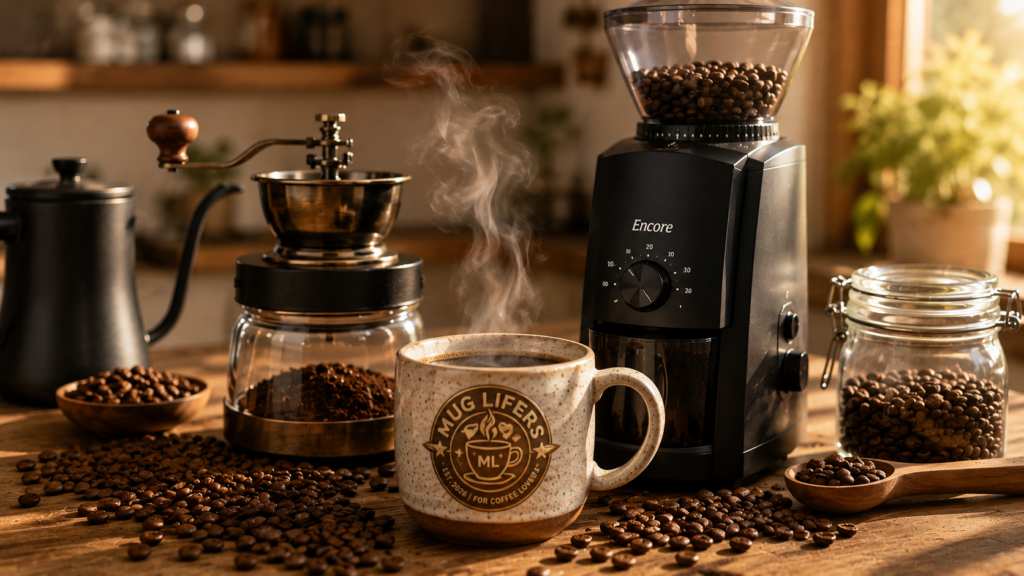
- Baratza Encore: This entry-level electric burr grinder gets a lot of love for its reliability and range of grind settings. Perfect for filter coffee, pourover, and French press. It sits on my counter and gets daily use.
- Krups Blade Grinder: Cheap and easy to use, though a bit messy. Good starter for budget-conscious buyers who just want to dip a toe into grinding at home.
Common Questions About Choosing the Best Coffee Grinder for Beginners
What is the best coffee grinder for beginners?
For most beginners, an entry-level burr grinder is usually the better choice because it creates more consistent grounds and improves flavor. Models like the Baratza Encore are often recommended because they are easy to use and work well for drip coffee, French press, and pour-over brewing.
Is a burr grinder better than a blade grinder?
A burr grinder usually produces more even coffee grounds than a blade grinder. Better consistency often creates a smoother, more balanced cup because water extracts flavor more evenly from the coffee.
Are manual coffee grinders worth it for beginners?
Manual coffee grinders can be a good option if you want to save money, reduce noise, or need something compact for travel. They require a little more effort but often deliver better grind consistency than cheap electric blade grinders.
What grind size should I use for different brewing methods?
French press usually works best with a coarse grind, drip coffee uses a medium grind, and espresso needs a fine grind. Small adjustments can change flavor quite a bit, so testing different settings helps dial in your preferred taste.
How often should a coffee grinder be cleaned?
Brush away leftover grounds after each use if possible and do a deeper cleaning every couple of weeks. Old coffee oils and trapped grounds can affect flavor over time.
Small Changes Create Better Coffee
Finding the right coffee grinder doesn’t need to be stressful. Matching your grinder to your brewing method, budget, and lifestyle goes a long way. Even just switching to fresh ground coffee at home usually leads to better flavors and a more satisfying coffee ritual. With a little experimenting and some routine care, you’ll quickly see and taste the difference in your cup.
Your perfect cup is just a few twists, turns, or button pushes away. Happy brewing!