
Starbucks Hate, Friendship Jokes, and What They Really Mean
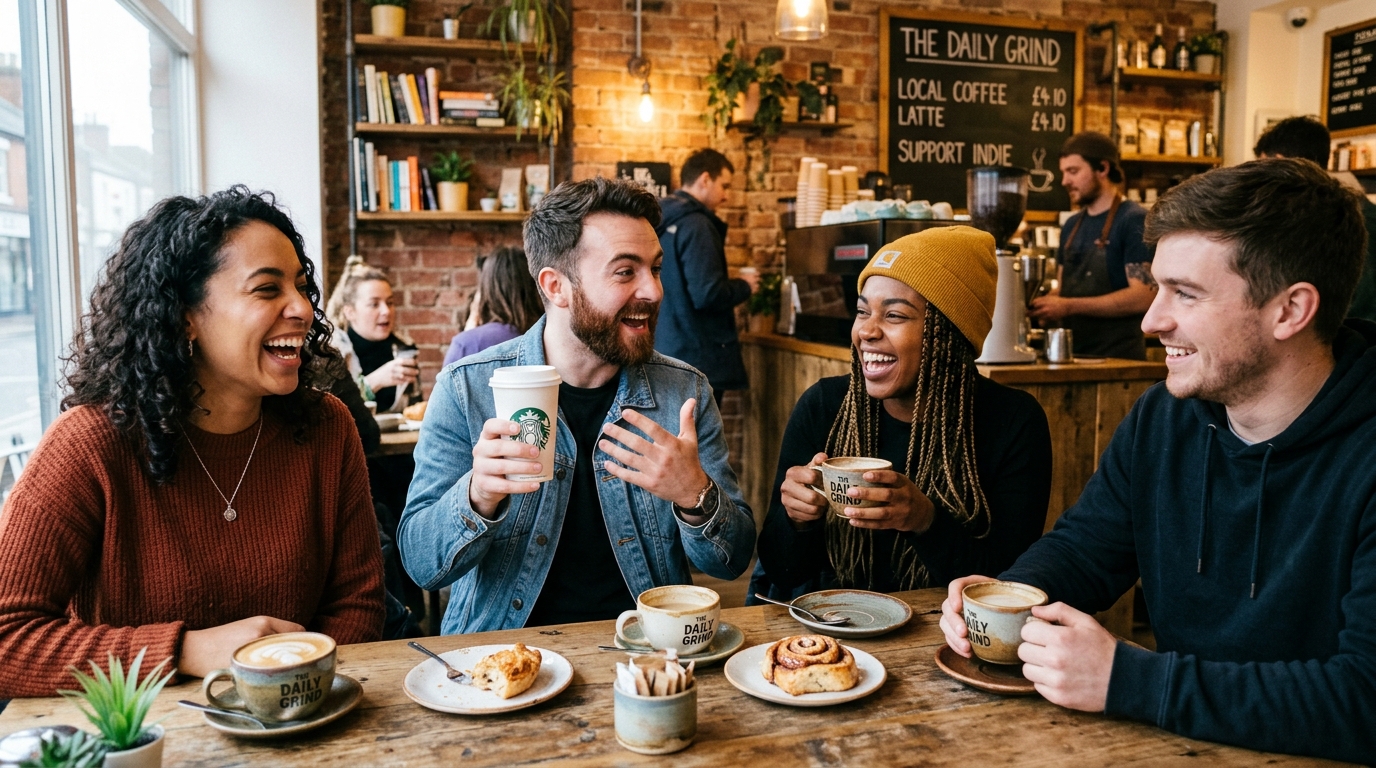
Walk into a room full of coffee people and say you’re into Starbucks. Watch the temperature drop. Not because anyone’s solving world hunger, but because coffee has become this little social religion. Suddenly you’re not just ordering a drink. You’re making a statement.
So when someone says, If you like Starbucks, we can’t be friends, it lands because it’s half joke, half side-eye. It’s funny because it’s blunt. It stings because it sounds like the kind of opinion people actually have when the bill hits or the cup tastes a little too familiar, a little too dark, a little too “mass market.”
And sure, Starbucks isn’t the devil. But it became a symbol.
Symbols get roasted. (See what I did there.)
If you want the quick version of how Starbucks turned coffee into a mainstream habit, this video has some context:
Why Starbucks gets people so worked up
Coffee fans don’t usually hate Starbucks because they woke up that way. It’s usually a mix of taste, price, and the weird feeling that this coffee chain is everywhere, like it’s trying to be more important than the coffee itself.
☕ Did You Know?
Starbucks serves millions of customers every day across thousands of locations worldwide. Because of its size and visibility, it often becomes the face of modern coffee culture, which means it receives both praise and criticism far beyond what most local coffee shops ever experience.
The taste debate: bold, burnt, or just familiar?
Some people swear Starbucks tastes like comfort. Dark, consistent, dependable. Others call it burnt, bitter, or over-roasted, like the espresso got left on the burner a little too long and nobody stopped it in time.
Then you get the deeper comparison. Home brewing. Small roasters. Lighter roasts that actually taste like the fruit and the bean instead of smoke and chocolate-flavored armor. To one group, Starbucks is “coffee that works.” To the other group, it’s coffee that’s been sanded down until it’s smooth enough to sell to everyone.
Taste is personal. And memory is part of taste, too.
Why the price makes coffee lovers bristle
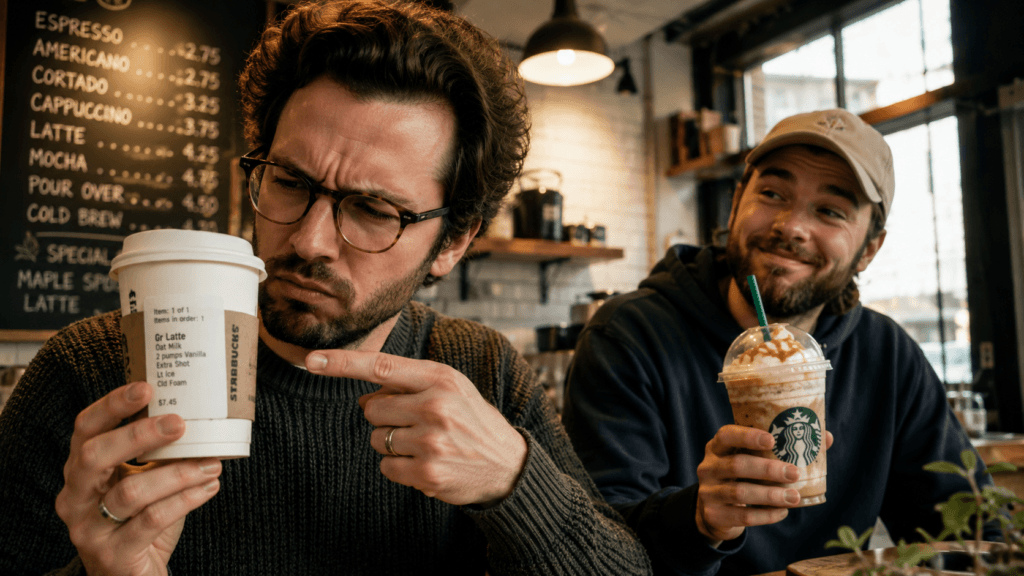
Look, a $4 coffee can be fine. But Starbucks is where “a quick drink” turns into a small financial event. Extra espresso. Cold foam. Syrup. Milks that cost more than your groceries.
It adds up fast, and coffee people notice because they’re usually paying attention. They know what good beans cost. They understand what labor and milk and equipment do to the final price. So when the cup doesn’t match the sticker shock, people get loud.
Not just mad. Disappointed. Like, come on. Show me the craft.
What Starbucks represents in coffee culture
This is where it stops being about the drink and starts being about what the brand stands for.
To critics, Starbucks is mass-market coffee. Overbranding. Corporate sameness. The same layout, the same menu, the same order system. It’s coffee that feels like a template, not an experience. And once something becomes a lifestyle product, coffee people get suspicious. They start asking what you’re really buying: flavor, or convenience.
Add in headlines, controversies, and backlash over the years, and the whole thing becomes bigger than roast profiles. People aren’t only arguing about taste. They’re arguing about the role Starbucks plays in coffee culture.
The real issue is often the coffee order, not the person
Most of the time, that friendship line isn’t a real rule. It’s just banter with caffeine as the catalyst.
Why coffee choices feel so personal
Coffee is routine. It’s comfort. It’s the first thing you do before you talk to the world.
That sweet drink from college. The plain hot coffee from your first job. The oat milk latte you buy like clockwork. These orders become habits that feel like identity, and nobody loves having their routine judged. Even if it’s meant as a joke.
A coffee order can feel like a tiny biography.
How to joke about Starbucks without sounding rude
If you’re going to roast someone, roast the drink, not their entire personality.
Try this kind of energy:
- Tease the order, not the human.
- Make it about taste and preference.
- Keep it light enough that it’s clearly play, not a verdict.
Because there’s a difference between:
- You paid dessert prices for coffee (fun) and
- You have bad taste (personal)
Roast the cup. Save the friendships.
When the joke actually hides a bigger coffee snob streak
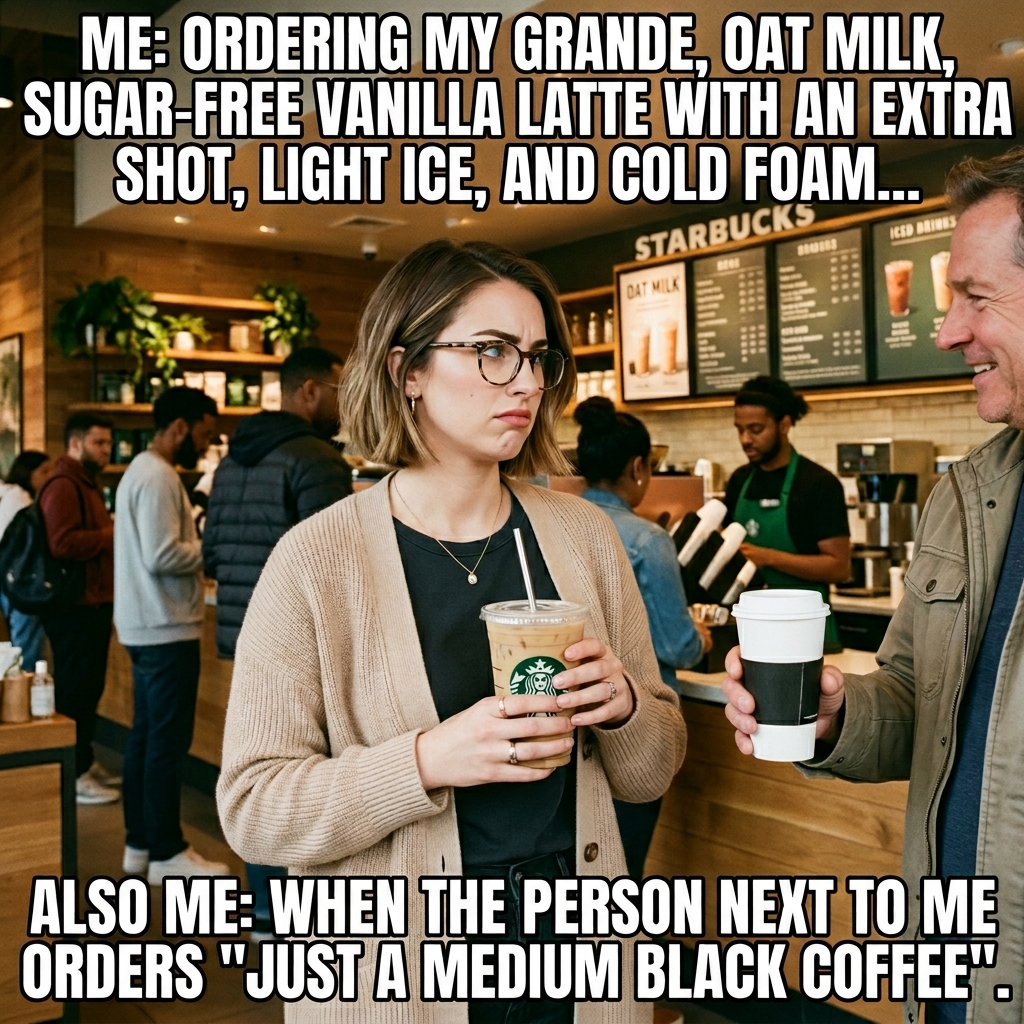
Sometimes the joke is just a disguise. Behind the meme is the belief that only one way of drinking coffee counts.
That can happen, even when some of those snob arguments are not totally wrong. Freshness matters. Roast dates matter. Brewing method matters. A shop that cares about process can absolutely taste better.
But when it turns into status signaling, you can feel it. The point stops being the coffee and starts being the flex. That’s when opinions get louder than quality.
If Starbucks is not your thing, there are better coffee options
Here’s the thing: disliking Starbucks doesn’t make you a better person. It just means you probably want something else.
Try local cafes for fresher flavor and better service
Independent cafes often give you more range in what’s actually in the cup. You might get something bright and lively, something chocolatey and deep, or espresso that doesn’t taste like it was stored under a campfire.
Service can feel more personal too. The barista might know the roast, the grind, and why your drink tastes different today. That kind of attention is hard to fake at chain scale.
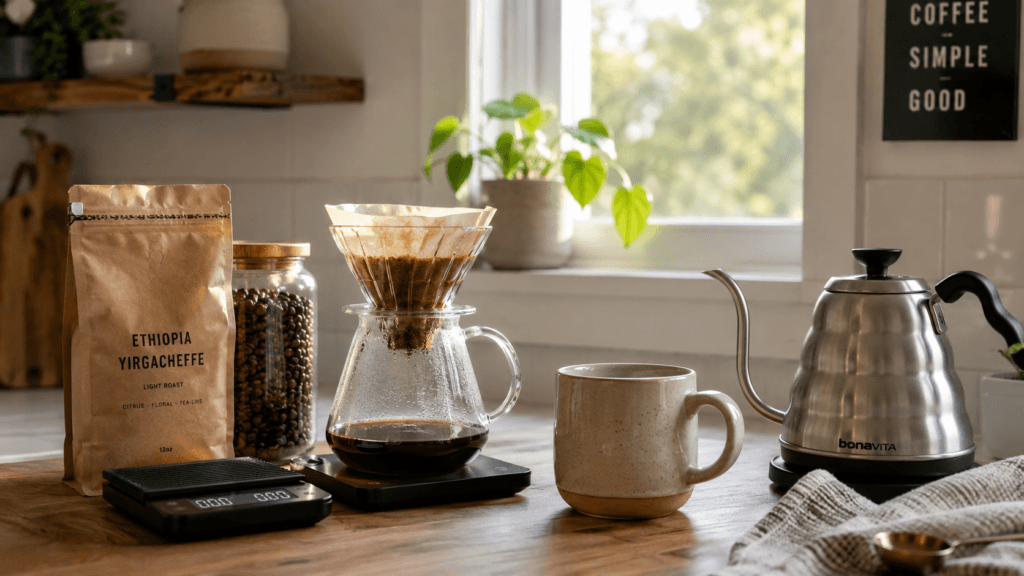
Home brewing can save money and improve taste
Home brewing is the fastest way to cut through the noise. You can get great coffee without starting an online war about syrup and venti cups.
Use what fits your life:
- Drip
- French press
- Pour-over
- Espresso-style drinks
Once you start adjusting grind and ratio, the whole Starbucks debate shrinks. The cup in your kitchen starts doing the talking.
If you want a good next step, this is helpful: Pour Over Coffee at Home Without the Fussy Ritual
How to find your own coffee style without the chain drama
The best approach is simple: pick what works for you.
Perhaps you want speed and predictability. Maybe you want a neighborhood spot with beans that taste alive. Maybe you want coffee at home because silence is part of the morning ritual.
Your job is not to prove you’re “right.” Your job is to get a cup you enjoy.
The Final Cup
That line about not being friends if you like Starbucks is funny because it’s sharper than it is serious. Usually it’s code for taste, price, and the way some people see Starbucks as a symbol.
Like what you like. Skip what you don’t.
Just remember: coffee is personal. It’s not a loyalty test. A good friendship can survive a venti.
Frequently Asked Questions About Starbucks Hate and Coffee Culture
Why do some coffee lovers dislike Starbucks?
Many critics point to the dark roast profile, higher prices, and the mass-market feel. Others simply prefer local coffee shops or specialty roasters.
Is Starbucks coffee actually bad?
No. Coffee taste is personal. Some people enjoy Starbucks because it is consistent and familiar. Others prefer lighter roasts or fresher beans.
Why do people joke about not being friends with Starbucks fans?
Most of the time, it is just playful coffee banter. The joke works because coffee choices can feel oddly personal.
Are local coffee shops better than Starbucks?
Sometimes, but not always. Independent cafes often offer more variety and personality, but quality still depends on the shop.
Can home brewing compete with Starbucks?
Yes. With decent beans, the right grind, and a simple brewing method, home coffee can taste great and cost less.
Is coffee snobbery common in coffee culture?
It can be. Coffee attracts people who care about quality, but sometimes that passion turns into judgment over what other people drink.
Should I stop drinking Starbucks if people criticize it?
No. Drink what you like. Coffee is not a loyalty test, and a good friendship can survive a venti.