

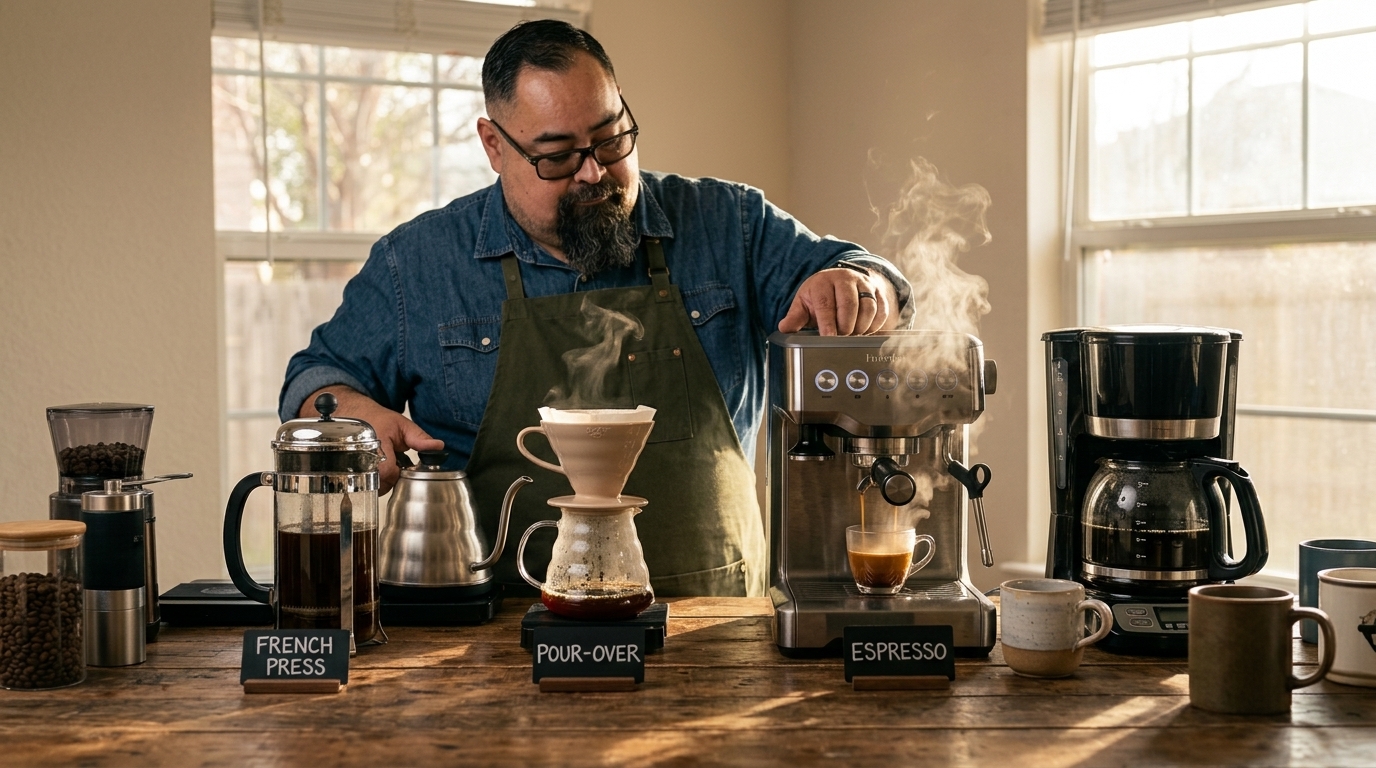
A coffee bean does not arrive in the cup with a fixed identity. The brew method decides how much acid, oil, aroma, caffeine, and bitterness get pulled out, and how those elements land on the palate. In that sense, how coffee is made counts almost as much as the beans themselves.
That point reaches past flavor. Brewing method can shift the drink’s health profile, its stimulant effect, and the amount of waste tied to a daily habit. The small choices around heat, water, pressure, and gear carry more weight than most coffee drinkers assume.
Why the brewing method changes the cup more than most people think
Coffee is an extraction problem. Water moves through ground beans and dissolves compounds at different speeds. Some bring sweetness and fruit. Others bring body, bitterness, or sharpness. Temperature, contact time, pressure, and grind size decide what gets into the cup, and what gets left behind.
That is why the same beans can taste bright in one brew, muddy in another, and harsh in a third. Hotter water pulls flavor faster. Longer contact can build depth, but it can also drag out bitter notes. Pressure compresses the process and creates a dense, concentrated shot. Method goes beyond convenience. It determines much of the final result.
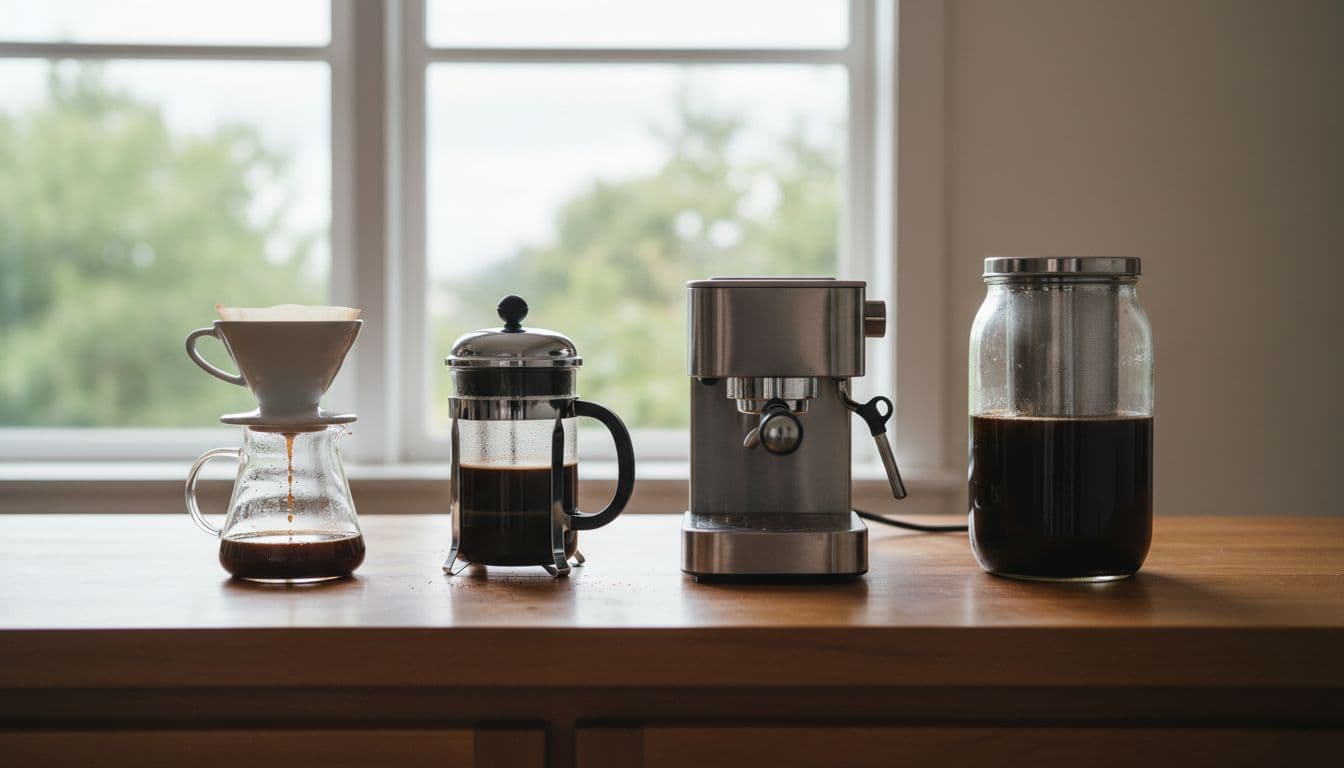
Hot, cold, and pressure all pull different flavors from the same bean
Pour-over and standard drip coffee use hot water and gravity. They often produce a clean, layered cup, especially with paper filters that catch more oils and fine particles. The French press also uses hot water, but the mesh filter lets more solids through, so the drink feels heavier and fuller.
Espresso works on a different scale. Pressure pushes water through finely ground coffee in seconds, which creates a compact drink with a strong aroma, a thicker texture, and a sharp burst of flavor. Cold brew goes the other way. It relies on time rather than heat, so extraction is slower, and the result is often smoother, less acidic, and sometimes more caffeinated.
Grind size and water quality shape the result
Grind size has to match the method. Coarse grounds suit French press and many cold brews because water stays with the coffee longer. Medium grounds fit drip and most pour-over setups. Fine grounds work for espresso because the contact time is short. When the match is wrong, the cup often turns sour or bitter.
Water matters, too. Filtered water usually gives a cleaner taste because chlorine and mineral extremes can flatten flavor. Freshness changes the outcome as well. Beans lose aroma after grinding, and roast level shifts the balance. Lighter roasts tend to keep more acidity and more of coffee’s original character.
The health case for paying attention to how coffee is made
Health research on coffee still points to moderation, not magic. Recent 2025 and 2026 summaries continue to link coffee with possible benefits, in part because it contains antioxidants such as chlorogenic acids. Yet those compounds do not survive every roast or brew in the same way. Lighter and medium roasts usually retain more of them than darker roasts, while paper-filtered coffee can reduce some oily compounds that are tied to higher LDL cholesterol.
That does not turn one brew into medicine and another into poison. It does mean that preparation changes what reaches the body. Fresh brewing, sensible portions, and a method that fits the drinker’s needs matter more than wellness claims built around a trendy ingredient.
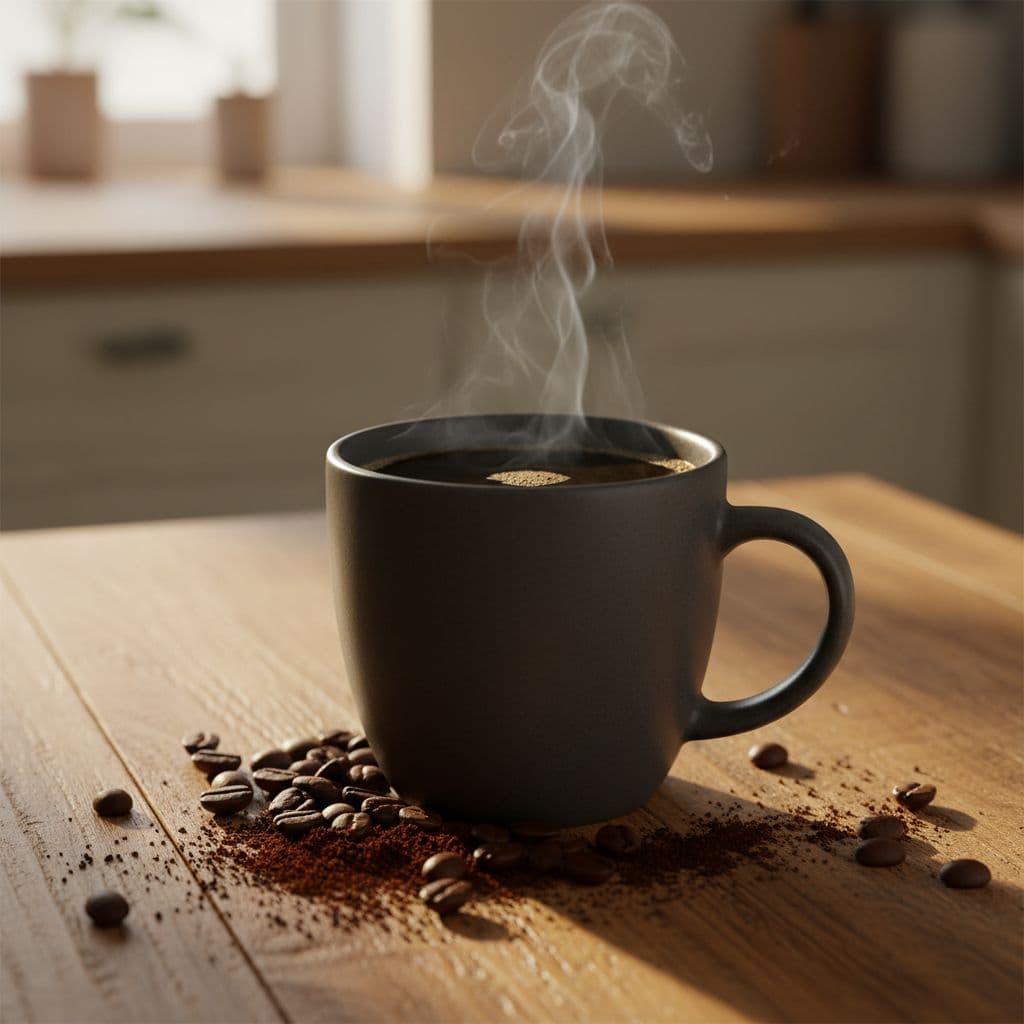
Fresh coffee and moderate intake matter more than trendy add-ins
Coffee loses quality when it sits on a hot plate for hours. Aroma fades first, then flavor turns flat or stale. Some heat-sensitive compounds also break down with time. Freshly brewed coffee is usually the stronger choice in both taste and quality.
The clearest pattern in the research remains moderate intake, often around two to three cups a day. That range appears often in studies tied to positive health outcomes, though it does not prove protection for any one person. Add-ins draw a lot of attention, yet mushrooms, turmeric, and nootropics still lack strong evidence that they improve coffee’s health value in a meaningful way.
Why decaf, if brewed well, still belongs in the conversation
Decaf is often treated as a compromise, but that misses the point. Modern decaffeination methods can preserve much of coffee’s flavor and a share of its antioxidant content. A well-brewed decaf can still offer aroma, body, and some of the same plant compounds found in regular coffee.
That matters for people who want the ritual without the stimulant load. It also broadens the health discussion. Coffee is more than caffeine, and decaf makes that plain.
The environmental cost is part of the story too
Coffee making is also a waste and energy question. Beans carry a footprint before they reach the kitchen, but brewing choices still shape the daily total. Single-use pod systems create the clearest problem because each cup comes with packaging that is hard to recycle at scale. Even when pods are labeled recyclable or compostable, disposal systems often fail to handle them well.
Espresso machines present a different issue. They can use less water per drink, yet they demand electricity for heat and pressure, and many stay on longer than needed. Drip machines land in the middle. They are less wasteful than pods, but warming plates and paper filters add to the cost.
Reusable gear usually creates less waste than single-use systems
French press, pour-over with a metal filter, and mesh basket brewers all cut down on trash because they do not require a fresh container or filter every time. The remaining waste is mostly spent grounds, which can be composted.
Batch size matters as well. Making several cups at once usually uses less energy and fewer materials per serving than brewing single cups again and again. Pod machines promise neatness, but that convenience comes with extra packaging and a steady stream of small waste items.
The lowest-impact choices are often the simplest ones
Cold brew, French press, and low-tech pour-over methods tend to have the lightest footprint when paired with reusable parts. They need little machinery, and they avoid the disposable shell that defines capsule systems.
No brew method is impact-free. Coffee still requires farming, transport, water, and heat. Still, simple gear, reusable filters, and fewer single-use parts make a measurable difference over time. In a daily habit, repetition is the whole story.
The Final Brew
Coffee looks simple because the final cup is small. The process behind it is not. Brew method changes flavor, changes what compounds end up in the drink, and changes the waste attached to the habit.
That is why how coffee is made counts. A cup is never only beans and water. It is a chain of choices, repeated every morning, with effects that reach the tongue, the body, and the bin.


