


Coffee has sat inside diabetes research for decades, and the signal has stayed fairly steady. Across large studies, regular coffee drinking keeps turning up with a lower risk of type 2 diabetes.
That doesn’t make coffee a cure, or clear proof of cause. But it does keep attention on what coffee’s chemistry may be doing in the body, and why old data and newer lab work point in a similar direction.
What large studies say about coffee and diabetes risk
Population studies keep finding the same broad pattern. Meta-analyses pooling many cohorts report fewer new cases of type 2 diabetes among regular coffee drinkers, with the strongest association often observed at 3 to 5 cups per day. In several reviews, 3 to 4 cups were associated with about a 25 percent lower risk, and each additional daily cup with a modest 4 to 6 percent reduction.

Why researchers pay attention to dose and consistency
Researchers pay attention because the pattern repeats across countries, sexes, and study designs. That kind of consistency makes the link harder to dismiss.
What the numbers can and cannot prove
Still, observational research cannot prove cause and effect. Coffee drinkers may differ in diet, exercise, smoking, sleep, or body weight, and those factors can shift diabetes risk.
What coffee may be doing inside the body
The biology is plausible, although not settled. Coffee appears to affect blood sugar control, inflammation, and insulin sensitivity. It also carries antioxidants, which weakens the idea that caffeine alone explains the pattern.
Plant compounds seem to matter more than caffeine
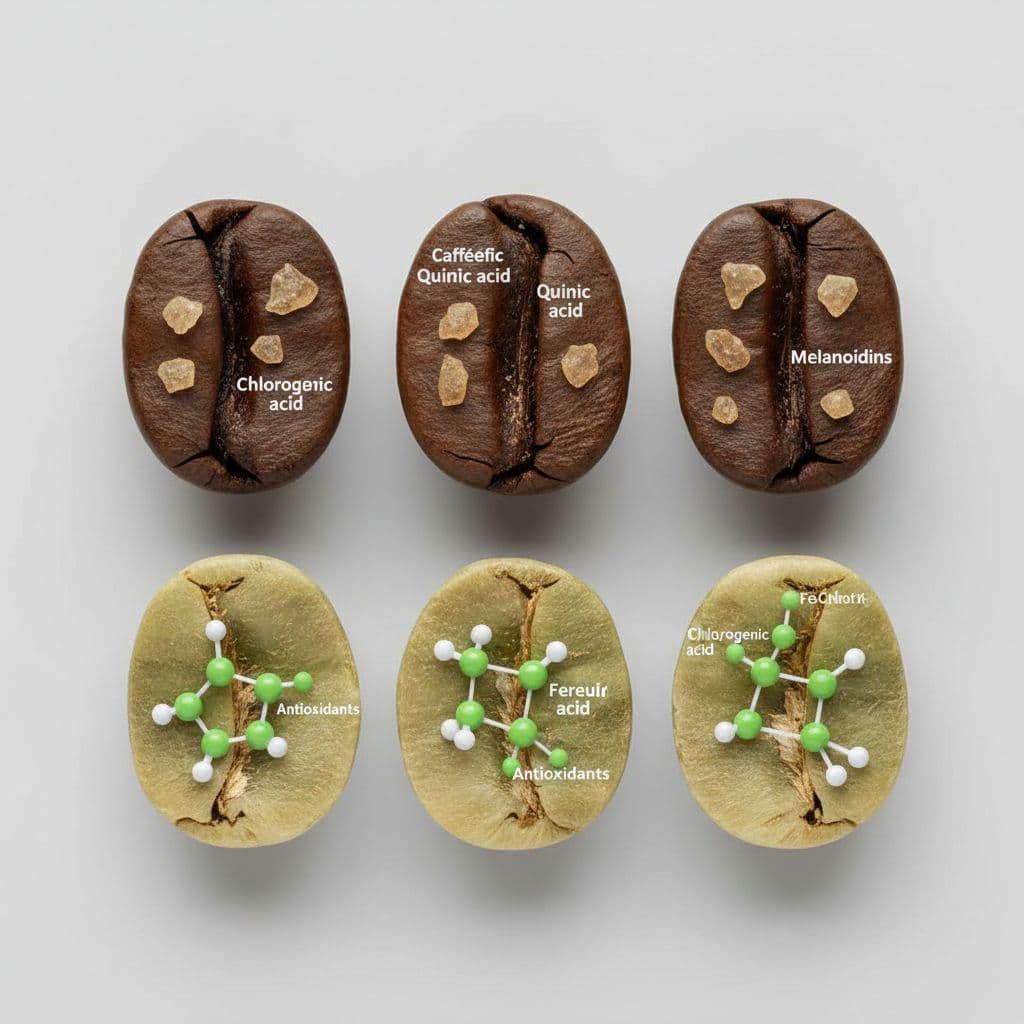
Chlorogenic acid and other polyphenols get most of the attention. These compounds may slow glucose absorption and dampen inflammation. That helps explain why decaf often shows benefit too.
Why newer lab findings have drawn interest
Recent lab work has added another lead. Compounds formed during roasting may interfere with enzymes that break down carbohydrates, but those findings still need human confirmation.
Caffeinated or decaf, and how the brew itself changes the picture
Regular coffee and decaf both show up in the data, which points back to coffee’s natural compounds. Some recent studies also found strong results for filtered coffee and espresso, although brew style changes the final mix.

Why decaf still appears to help
Decaf stays in the picture because caffeine is only one part of what coffee contains.
Brewing style and what is added to the cup
What is added to the cup matters, too. Sugar, syrups, and heavy cream can turn a plain drink into something with a very different metabolic effect.
The Final Cup
Coffee is not a miracle food, and the case is not closed. Yet the evidence has moved in one direction for years: regular coffee drinking is linked with lower type 2 diabetes risk, often at moderate intake.
Its appeal is the mix of scale, plausible biology, and unanswered questions. That is why coffee remains one of the more interesting diet stories in diabetes research.