
Coffee slips into daily life so easily that people often miss what it does. A mug can wake you up, but it also sets a mood, starts a habit, and gives you a small piece of calm.
That’s why coffee culture feels bigger than the drink itself. It lives in sleepy mornings, favorite mugs, cafe meetups, and the comfort of doing one familiar thing the same way each day. Once you notice that, coffee looks less like fuel and more like part of how people live together.
The daily habits that turn coffee into a ritual
Morning rituals make the first cup matter
For many people, coffee is the first act of the day they choose for themselves. The grinder hums, water heats, and the smell fills the kitchen before the phone takes over. In Italy, a quick espresso at the bar has long been part of daily life. In many homes, the ritual is slower, but the feeling is the same.
That short wait matters. It slows the pace for a minute, and the first sip feels like a small reward. Routine is a big part of the pull. You use the same mug, the same spoon, maybe even the same spot by the window.
Those repeat moves give the morning shape. On busy days, that bit of order can feel like control. The cup tells your brain the day has started. Even a quick pod machine can create that pause. The method matters less than the repeat.
Work-from-home coffee habits changed the routine
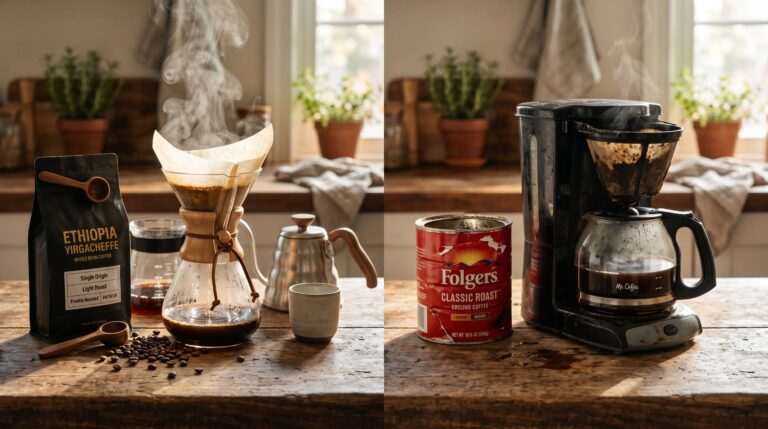
During the pandemic, many people built coffee habits at home, and a lot of them stayed. People swapped the office pot or local cafe for beans, kettles, and milk frothers on the counter. Home brewing became part of work life, not only breakfast.
Now coffee often breaks the day into parts. One cup starts the laptop, another comes with a mid-morning break, and an afternoon refill helps with the last stretch. For remote workers, coffee is a simple cue for focus time and reset time. It adds structure when the home and office share the same walls.
Why coffee feels tied to comfort, mood, and identity
Coffee has a personal side, and most drinkers know it without saying it out loud. A cup can lift your mood, bring back a memory, or say something about your taste before you say a word.
Coffee can feel like comfort on a hard day

On a rough day, warm coffee can feel steady and familiar. The heat in your hands, the smell, and the first taste all send a simple message: pause for a minute. That pause is part of the comfort.
Memory matters too. A certain roast can bring back a parent in the kitchen, late study nights, or slow weekend mornings. Coffee doesn’t fix hard things, but it gives people a small place to land.
Some people see coffee as part of who they are
Coffee taste often turns into a tiny kind of self-image. The person who drinks it black may like the plain, strong feel. A latte fan may love milk, art, and a softer start. Espresso people often like the short, sharp hit and the ritual around it.
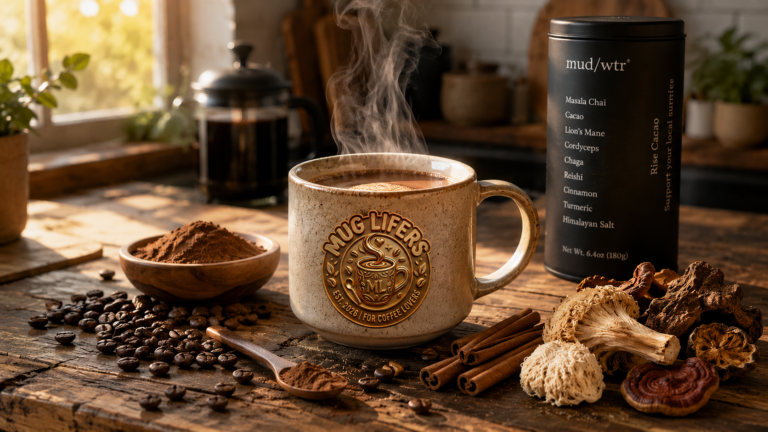
Mugs fit into that identity too. People keep favorite travel cups, thrift-store finds, heavy diner mugs, or one chipped mug they refuse to toss. That mild mug obsession is not silly. It shows how coffee becomes wrapped up with comfort, style, and habit.
Caffeine dependence is part of the story
Many people don’t only want coffee, they count on it. Caffeine can help wake you up and sharpen focus for a while, so the pull is real. Some of that need is chemical, and some comes from habit.
That mix is why missing your usual cup can feel off. You may want the energy, but you may also miss the smell, the warmth, and the break in the day. Coffee is both a boost and a routine, and those two things often blend together.
How cafes and coffee dates build real connection
Coffee culture is social, even when the drink is simple. A cup gives people an easy reason to sit down, talk, work nearby, or spend time without much pressure.
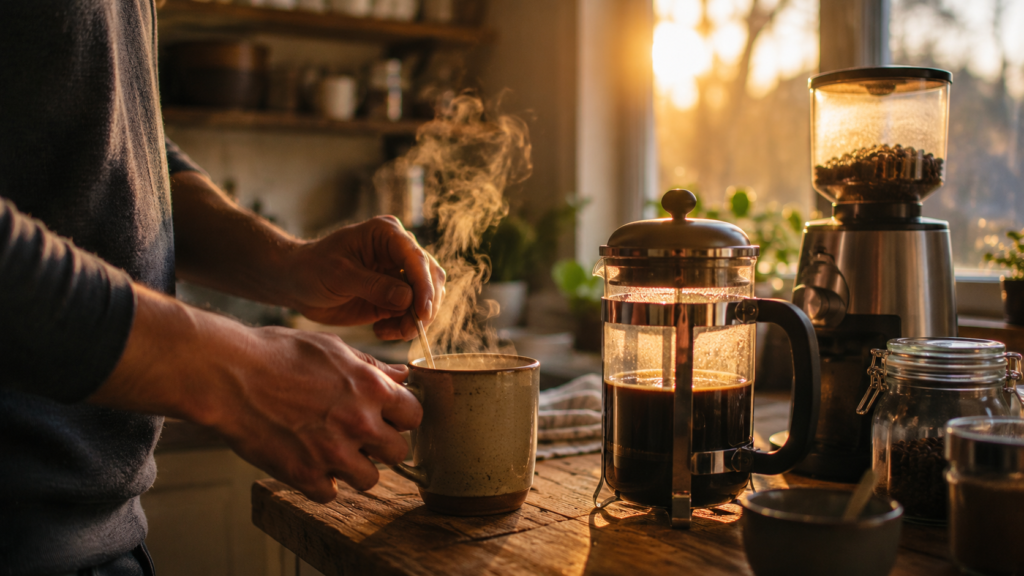
Cafes give people a place to meet and stay awhile
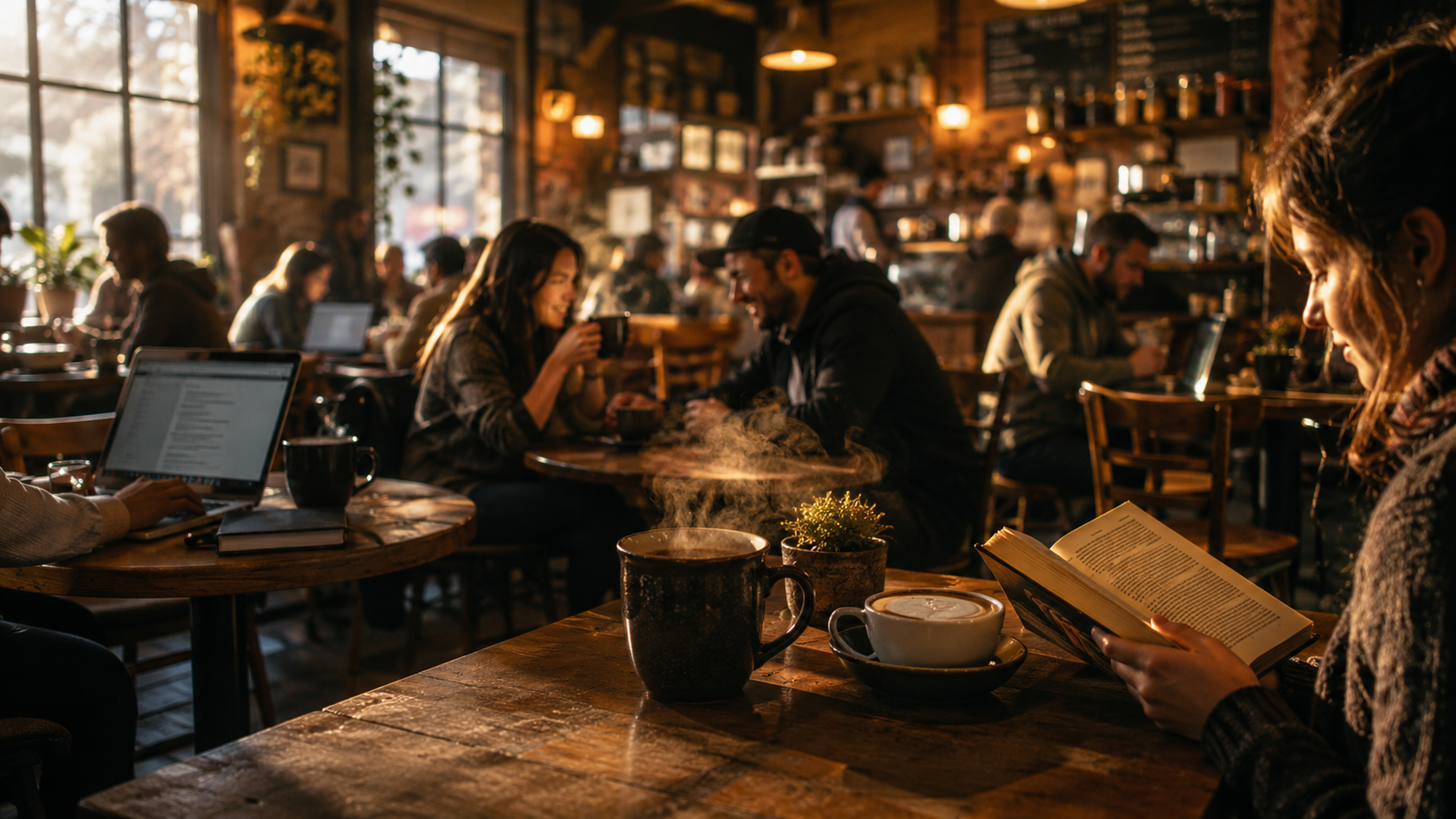
Cafes work because they feel open and low-stakes. You can meet a friend, read alone, study, take a first date, or answer emails while other people do the same. Home can feel closed off. Work can feel rigid. A cafe sits in the middle. Coffeehouses have done this for centuries.
That middle space matters. People want places where they can be around others without a big plan. Soft noise, warm drinks, Wi-Fi, and the smell of fresh coffee make it easy to stay. That is why “let’s grab coffee” feels lighter than dinner or drinks. The invite is simple, and the time can be short or long.
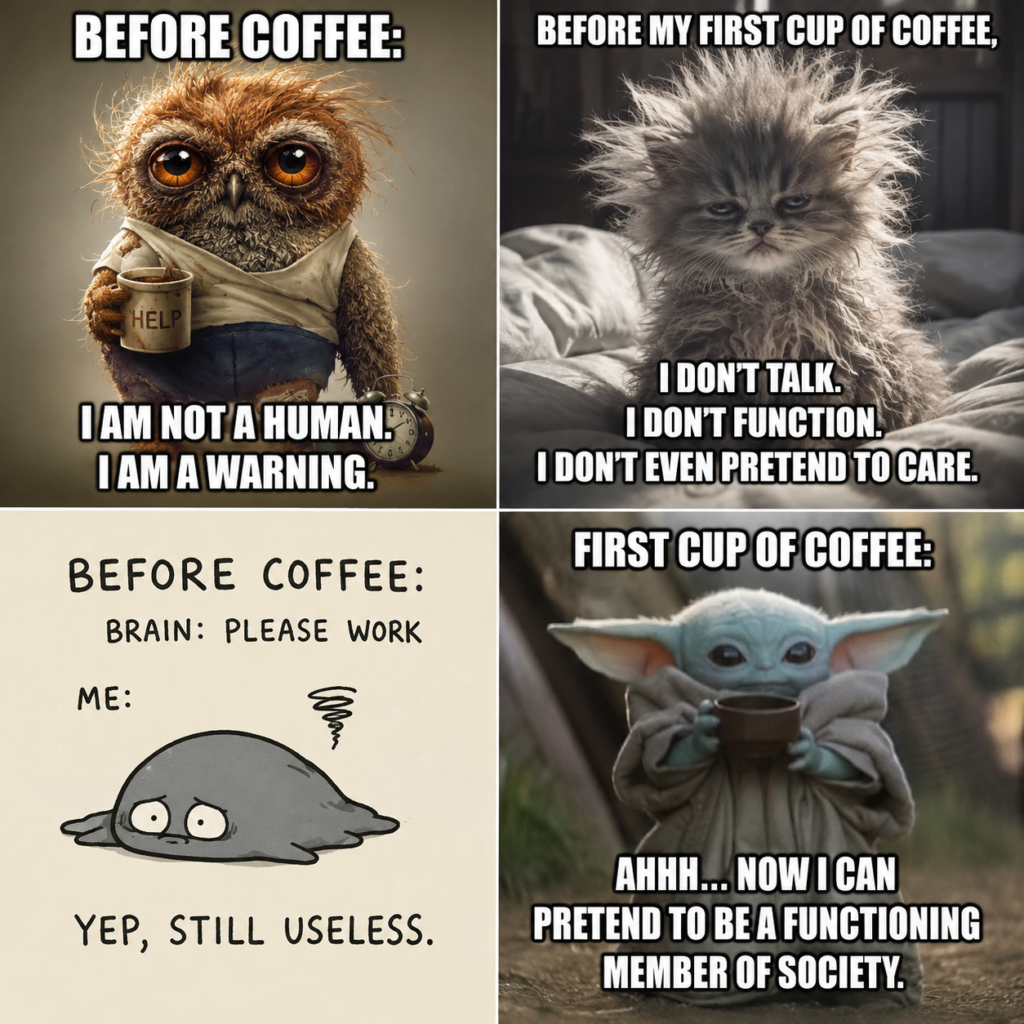
Coffee memes and humor keep the culture alive online
People share memes about being useless before the first cup. They also post about oat milk habits and packed mug shelves. All of it tells the same story: people see themselves in coffee jokes.
That humor keeps the culture active. It gives tired workers, students, parents, and night owls a shared language. A silly post about needing cold brew in winter can get thousands of nods because the feeling is familiar. Online jokes don’t replace the cafe, but they keep the same sense of connection going.
The Final Cup
Coffee matters because it gives daily time a little shape. The ritual of making it, the comfort of drinking it, and the easy connection around it all turn one drink into something larger.
That’s why coffee culture sticks. It lives in quiet mornings, favorite mugs, work breaks, cafe tables, and dumb memes that make tired people laugh. People come back to coffee for that feeling as much as the caffeine. The cup is small, but the pause it creates can change the feel of a whole day.
This post may contain affiliate links. If you make a purchase through these links, I may earn a small commission at no extra cost to you.
Coffee Culture FAQs
What does coffee culture mean?
Coffee culture is the way coffee fits into daily life. It includes morning rituals, favorite mugs, cafe meetups, work breaks, brewing habits, and even the humor people share about needing that first cup.
Why does coffee feel like more than caffeine?
Coffee often becomes tied to comfort, routine, memory, and identity. The caffeine matters, sure, but the smell, warmth, and pause in the day are part of why people care about it so much.
Why do people get attached to their coffee routine?
A coffee routine gives the day a small bit of structure. Using the same mug, brewing the same way, or taking that first sip in the same spot can make the morning feel more settled.
How did working from home change coffee culture?
Working from home turned coffee into a built-in reset button for many people. A morning cup starts the workday, and a second cup often marks a break between tasks.
Why are cafes such a big part of coffee culture?
Cafes give people a relaxed place to meet, work, read, or sit alone without feeling out of place. That easy, low-pressure setting is a big reason coffee shops have stayed popular.
Why are coffee memes so popular?
Coffee memes work because they feel familiar. Jokes about being useless before coffee or owning too many mugs give coffee lovers a funny way to say, “Yep, that’s me.”