


That first cup may be working against you if you drink it too soon. Right after you wake up, your body already gives you a strong boost on its own. Today, we will learn the best time to drink coffee and why.
If you wait about 90 to 120 minutes before coffee, the same cup may feel smoother and last longer. The reason comes down to two things: cortisol and adenosine.
This may mean a small change in your routine, but it can change how your whole morning feels.
The morning coffee habit that may backfire
A lot of people stumble to the kitchen and grab coffee before they’re fully awake. It feels normal because it is normal. The mug is warm, the smell is good, and the habit is easy.
But that timing can work against you.
When coffee hits the second you wake up, it lands on top of your body’s own wake-up surge. For some people, that means a boost that feels sharp at first, then fades too soon. Others notice shaky energy, fuzzy focus, or more anxiety than they want.
Coffee isn’t the problem. The issue is when you drink it.
Your body already knows how to get you moving in the morning. If you interrupt that built-in rhythm with caffeine right away, you may not get the best return from your first cup. That can turn coffee into a quick patch instead of a steady lift.
“One simple change in timing can turn coffee from a quick fix into an all-day cognitive enhancer.”
This idea has become popular because it matches how many people feel. A delayed cup often feels less harsh, more useful, and easier to carry into the rest of the day.
What your body is doing when you wake up
Your body does a lot before you even touch the coffee maker. Two main players shape that first part of the day: cortisol and adenosine.
Cortisol is already doing the wake-up job
When you wake up, cortisol is already high. This hormone helps you feel alert and ready to move. In plain terms, it is part of your built-in alarm clock.
The Cleveland Clinic’s coffee timing guide notes that cortisol rises after waking. Because of that, drinking coffee first thing may make some people feel more wired, jittery, or irritable.
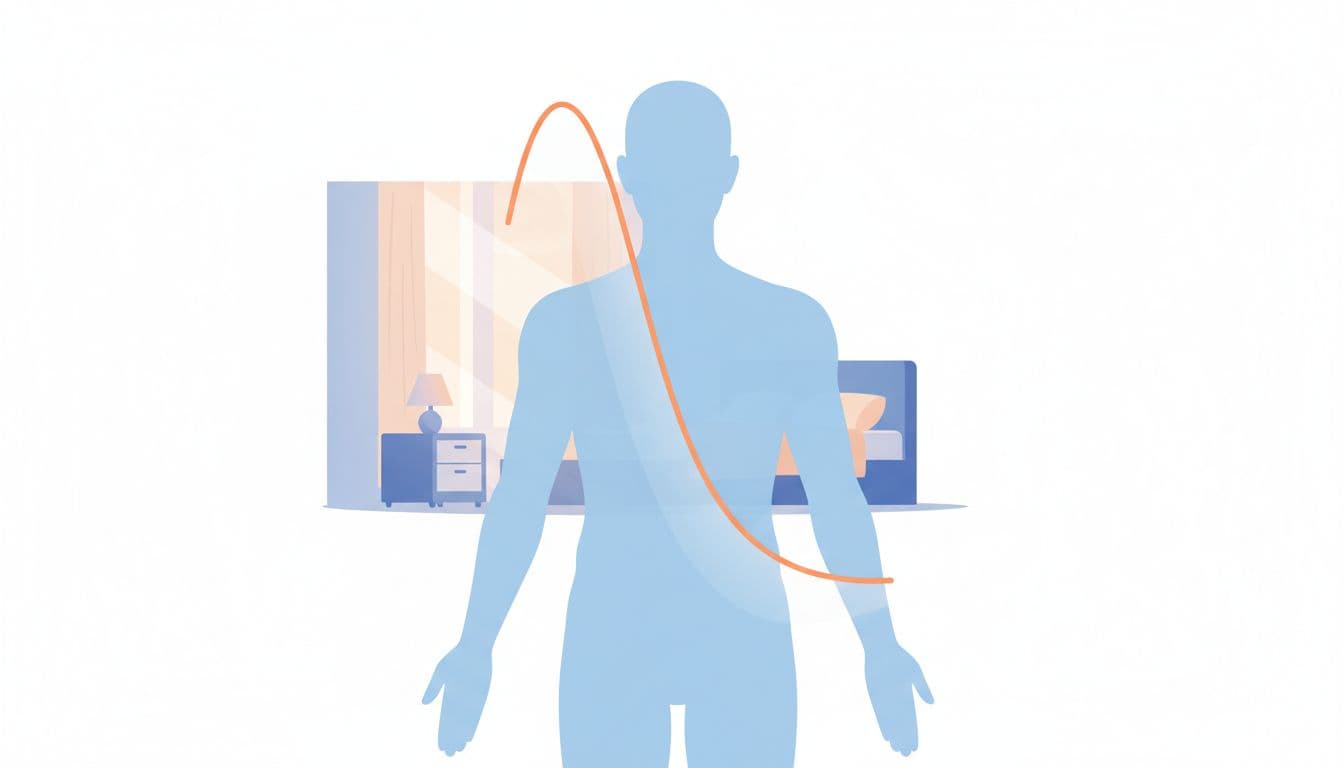
So, if your body is already turning the volume up, adding caffeine at that same moment can be too much. You are stacking one alertness signal on top of another. That does not always give you better energy. Sometimes it only makes the first hour feel louder.
Later in the morning, cortisol starts to drop. That shift matters because coffee may feel more useful when it fills the natural dip rather than crashing into the peak.
Adenosine drops while you sleep
Adenosine is the sleepy chemical that builds up throughout the day. The longer you’re awake, the more of it you collect. That growing load helps create the pressure to sleep at night.
Sleep clears a lot of that pressure. So when you wake up, adenosine is lower than it was the night before.
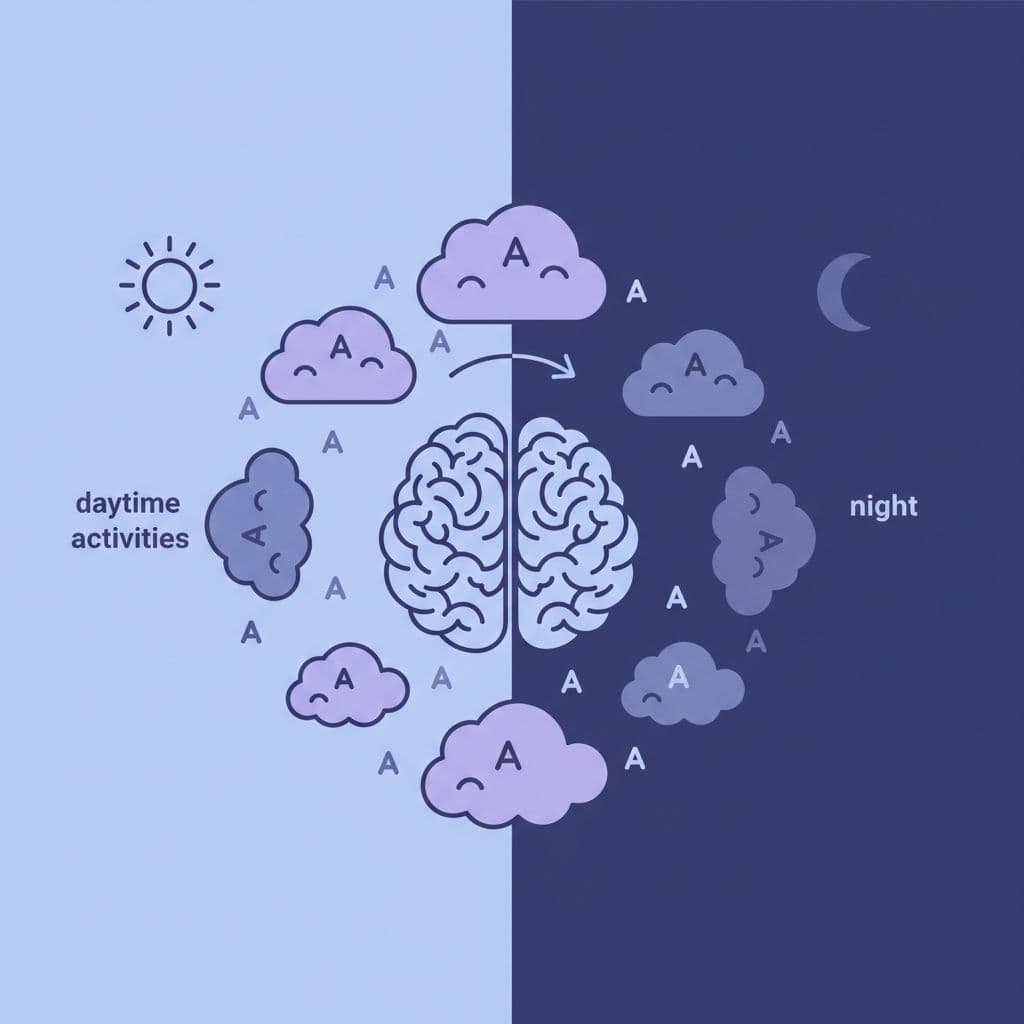
That matters because caffeine works in part by blocking adenosine’s sleepy signal. If you drink coffee when adenosine is still low, the lift may not line up with when you need it most. You are using the tool before the pressure has had time to build again.
A Healthline review of coffee timing makes the same basic point. It also notes that research on the best time to drink coffee, or on whether there is a single perfect time, remains limited. So this is not a strict law. Still, the logic behind waiting is easy to see.
Why coffee first thing can feel off
If cortisol is already high and adenosine is still low, first-thing coffee can be a poor fit. The body is already awake on its own. Caffeine arrives before it has much work to do.
It’s like shouting at someone who’s already listening.
That is why the first cup can feel oddly wasteful. You may get a jolt, but not the kind that carries you for hours. In some cases, the boost feels short, uneven, or tense.
This quick comparison helps show the timing difference:
| Coffee timing | What your body is doing | What you may notice |
|---|---|---|
| Right after waking | Cortisol is high, and adenosine is low | A sharp boost, less payoff later, more jitters for some |
| 90 to 120 minutes later | Cortisol is starting to fall | Smoother alertness and steadier energy |
The main takeaway is simple. Good coffee can still feel bad when the timing is off.
This also explains why so many people say they are not fully awake, yet still reach for coffee. The habit feels helpful in the moment. But it may be stepping on the body’s own wake-up process instead of working with it.
That mismatch can set up the rest of the day. You may chase the feeling with more caffeine later, or you may hit a rough patch by late morning.
👉Learn more about the benfits of coffee. Is Coffee Good For You? Real Benefits, Risks, And Daily Tips
Why waiting 90 to 120 minutes can work better
Waiting for the best time to drink coffee gives your body time to finish its first job. Then coffee can do its job.
When you hold off for 90 to 120 minutes, cortisol begins to ease off. That means your natural wake-up push is no longer at its peak. If caffeine comes in, then it can line up with the moment you start needing more help.

The timing works like this:
- You wake up, and cortisol is near its morning high.
- You wait 90 to 120 minutes, and that surge starts to drop.
- You drink coffee, and caffeine kicks in just as your own alertness is fading.
That is why the delayed cup can feel better matched to the rest of your day.
A Fortune summary of the one-to-two-hour rule points to the same window. Mid-morning often gives people a better balance between natural alertness and caffeine support.
Still, there is no exact clock time that fits everyone. Your wake-up time matters more than the number on the clock. If you get up at 6:00 a.m., your best window is different from someone who wakes at 9:00 a.m.
The idea is not to make coffee harder. The idea is to make the same coffee work better. The brewing method you choose changes how that cup tastes too.
The benefits of better coffee timing
The biggest draw is not more caffeine. It is better use of the caffeine you already drink.
Steadier energy and sharper focus
Many people want coffee to last more than one busy hour. They want energy that stays useful deep into the day. Delayed timing may help because the caffeine lands when your body is ready for the support.
That can mean fewer hard swings. Instead of feeling a fast rise and then a drop, you may notice a steadier pace. For some people, that feels closer to the 8-plus hours of useful energy the habit promises.
Focus can improve for the same reason. When caffeine lines up with your natural rhythm, the effect can feel cleaner. You are less likely to spend the first part of the morning over-revved and the next part trying to recover.

The change is small, but the day can feel more even. Your coffee starts acting less like a rescue and more like support.
Less anxiety, less noise, and maybe better sleep later
Some people feel anxious when they drink coffee too early. That makes sense if caffeine piles onto a high-cortisol moment. The body is already up and moving. More stimulation can push the feeling from alert to uneasy.
Waiting can lower that risk. The cup may still wake you up, but with less of the wired edge.
This is where timing can help the whole day, not only the morning. If your energy is smoother, you may be less likely to chase it with extra cups too soon. That can also leave your natural rhythm in better shape by night.
The sleep point matters. A better-timed first cup may fit the day more cleanly. For some people, that helps them feel more normal by bedtime instead of dragged out by a rough caffeine pattern.
None of this means one delayed cup will fix every bad morning. It means your first coffee may work with your body instead of against it.
A simple way to make the switch
You do not need a new brand of coffee or a strict routine. You only need a different start.
If you wake at 7:00 a.m., try coffee around 8:30 or 9:00. During that wait, drink water, open the blinds, eat breakfast, or take a short walk. Light movement helps because your body is already rising into the day.
A closer look at delaying caffeine intake explains why this idea keeps coming up in health discussions. It also points out that the rule is not perfect for every person. That is useful, because rigid routines often fail.
Give it a week. Pay attention to your energy, your focus, and how you feel by late morning. Also notice whether you want less second-cup rescue later.
The point is not to suffer through a long wait. The point is to test whether your coffee works better on a different schedule. If it does, your future self may thank you for those extra two hours of patience.
A better window for your first cup
Your body already gives you a wake-up boost each morning. When you wait to drink coffee, that cup can land at a time that makes more sense.
The strongest takeaway is simple: timing matters. A short delay may turn coffee from a rushed habit into a steadier part of your day.
That first mug can still be part of your routine. It may simply work better after your body has had its say. Did you learn anything about the best time to drink coffee? Let me know in the comments below.
Frequently Asked Questions About Coffee Timing
What is the best time to drink coffee after waking up?
For many people, the best time to drink coffee is about 90 to 120 minutes after waking up. This gives your natural morning cortisol rise time to settle before caffeine steps in.
Why should I wait to drink coffee in the morning?
Waiting may help coffee feel smoother and last longer. Right after waking, your body already produces a natural alertness boost. Drinking coffee during that peak can feel sharp, jittery, or less useful later.
Is it bad to drink coffee immediately after waking up?
It is not automatically bad, but it may not be the best timing for everyone. Some people feel fine with coffee right away. Others notice jitters, anxiety, uneven energy, or a late-morning crash.
How does cortisol affect morning coffee?
Cortisol helps your body wake up and feel alert. Since cortisol often rises after waking, drinking coffee immediately can stack caffeine on top of your body’s built-in wake-up signal.
Can waiting to drink coffee reduce caffeine crashes?
It may help. When coffee lines up with your natural energy dip instead of your wake-up peak, the boost can feel steadier. That may reduce the urge to chase energy with more caffeine too soon.
Should everyone wait 90 to 120 minutes before coffee?
No. The 90 to 120 minute window is a useful starting point, not a rule carved into a coffee bean. Your sleep schedule, caffeine tolerance, work routine, and sensitivity all matter.