


How Morning Coffee Changes the Brain in 2 Weeks
Coffee is often treated as a fast fix for a slow morning. The sharper claim is about structure, not speed. After two weeks of regular coffee, the brain is said to begin changing in areas tied to memory and focus.
Scientists tracked coffee drinkers for six months. The first changes appeared after 14 days, and new pathways formed faster by week 6. That timeline turns a common ritual into something closer to daily brain training.
What six months of tracking found
Most talk about coffee stays on the surface. It centers on energy, alertness, and the short lift that follows a first cup. The six-month tracking described here pushed past that. Scientists watched for physical changes in the brain itself.
The first shift appeared after 14 days of regular coffee. Gray matter density started increasing in areas linked to memory and focus. That is the first reason the claim stands out. It does not describe a vague sense of feeling better. It describes a measurable change in brain tissue tied to clear mental tasks.
The timeline is easier to read in one glance.
| Time | What changed | What it was linked to |
|---|---|---|
| Day 14 | Gray matter density started increasing | Memory and focus |
| Week 6 | New neural pathways formed faster than in non-coffee drinkers | Stronger brain connections |
| Six months | Scientists continued tracking coffee drinkers | A longer pattern of change |
The chart shows the pace of the claim. Change did not wait for years of use. It began within two weeks, then became more distinct by week six. At that point, coffee drinkers were forming new neural pathways faster than people who did not drink coffee.
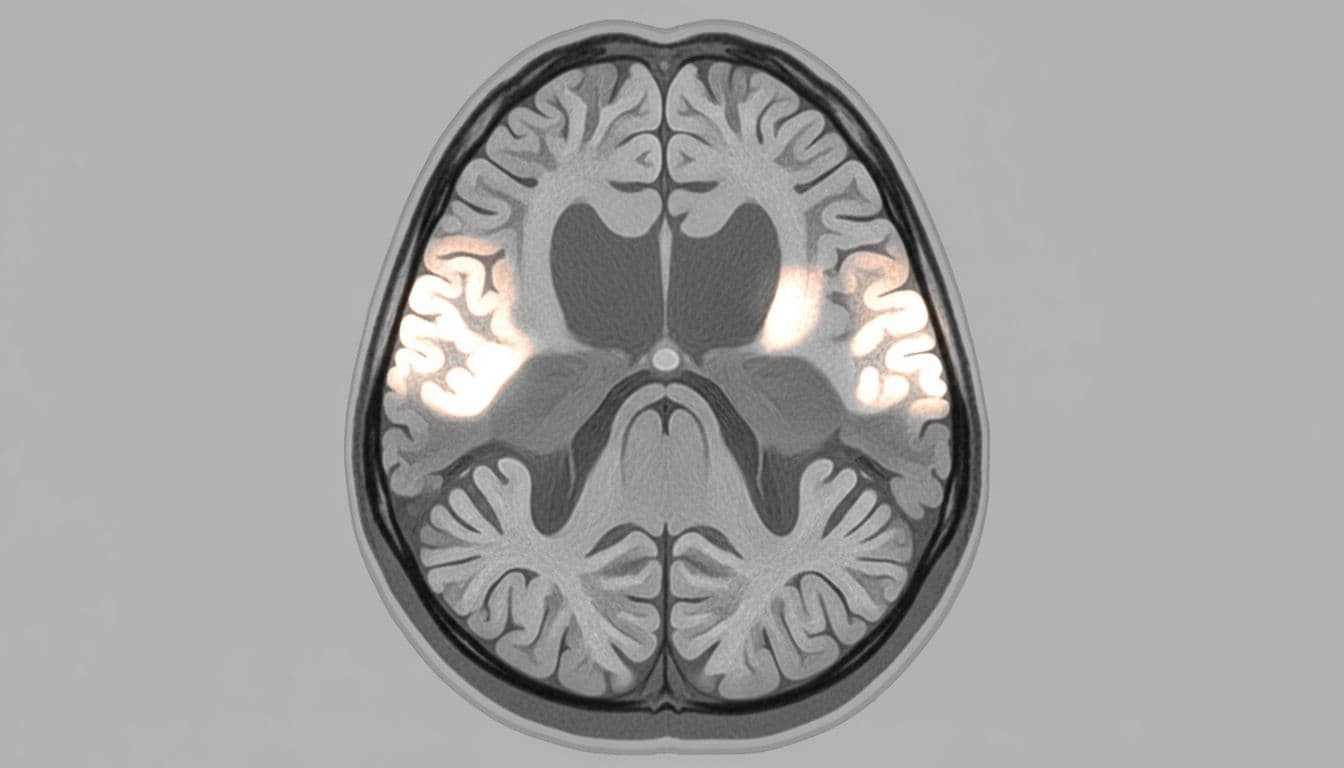
That comparison gives the story its weight. Coffee was not framed as a simple stimulant. It was linked to faster formation of new connections in the brain. In plain terms, the drink was doing more than helping people stay awake. It was tied to a brain that was changing shape and building links on a short timeline.
Why the first sip can feel sharper over time
There is a familiar morning moment when coffee lands and the mind clears. The explanation offered here goes beyond a quick caffeine hit. After regular use, the brain is described as a physically different organ, one that responds to a routine it has learned.
That idea changes the meaning of the first sip. The lift is not treated as a brief jolt alone. Caffeine still wakes people up, but the larger claim is that it also helps the brain create stronger connections. By week six, those new neural pathways were forming faster than in non-coffee drinkers.
Neural pathways are the routes brain cells use to pass signals. When those routes form faster, the brain can adapt faster too. That is why the account ties coffee to neuroplasticity, which is the brain’s ability to change with use and experience.
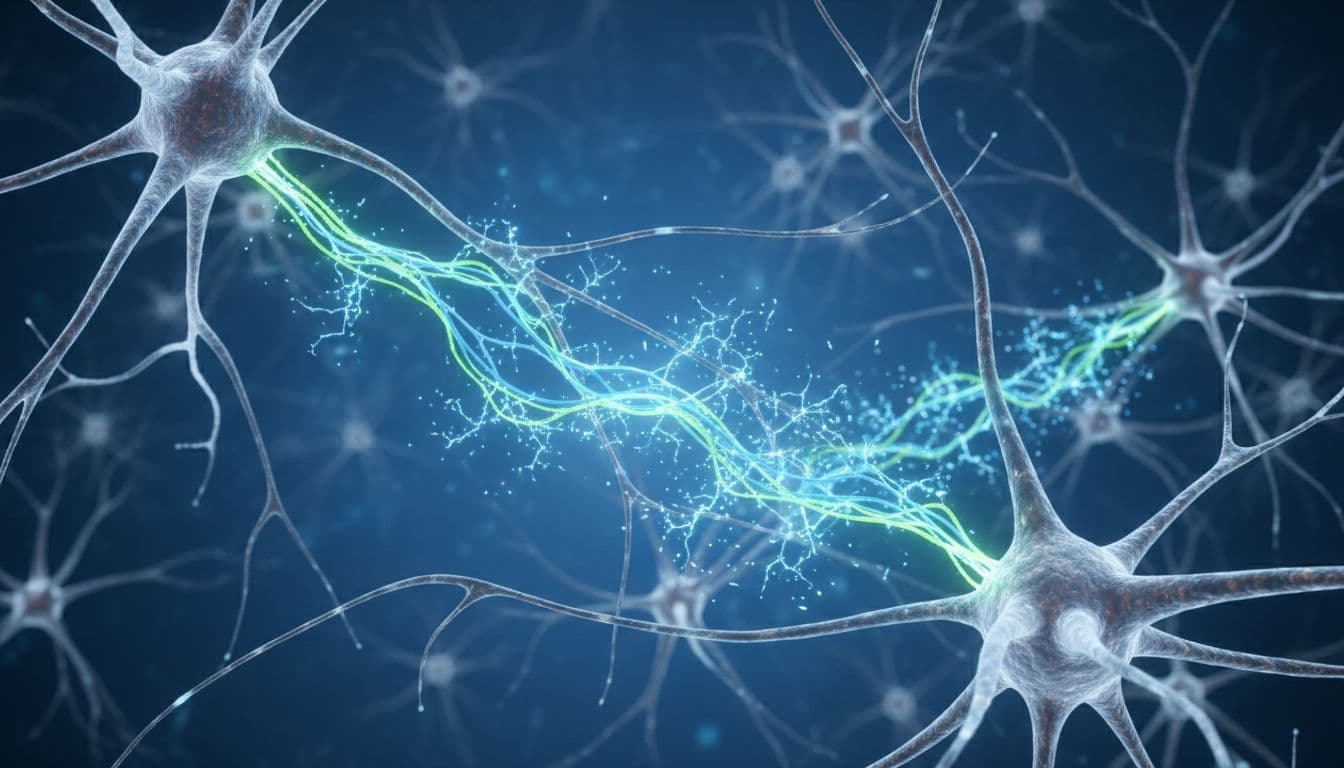
Over time, a morning cup starts to look less random. The repeated act becomes a cue. The brain appears to learn that cue, then answer it more efficiently. So the clearer feeling after the first sip is framed as more than chemistry arriving on schedule. It is the response of a brain that has been shaped by repetition.
The core claim is simple: coffee did more than raise alertness. It helped the brain form stronger links.
That is also why the ritual matters as much as the drink. A single cup may wake a person up. A steady routine, under this view, changes how the brain handles that cup.
Why timing matters as much as the coffee
The account does not stop with how much coffee people drank. It also argues that timing changed the result. The sweet spot was one to two cups between 9 and 11 AM, when the brain could get the most from the process called neuroplasticity.
That window is narrow for a reason. Coffee taken too early can block natural cortisol, the body’s wake-up hormone. In this view, an early cup gets in the way of the body’s own morning rise. The drink may still feel useful, yet it cuts across a system that is already trying to do the job.
Coffee taken too late creates a different problem. It can disrupt sleep, and the same rewiring brain still needs sleep. The claim ties these pieces together in a simple way. Morning timing helps the brain change. Late timing can interfere with the rest that brain needs.

The dose matters too. The sweet spot was not endless coffee through the day. It was one or two cups inside a set mid-morning stretch. That detail keeps the claim precise. More coffee was not presented as better. Earlier, coffee was not framed as smarter. Later, coffee was not harmless.
So the timing argument does two things at once. It limits the amount, and it protects sleep. Both limits support the same point. The benefit comes from a routine with boundaries, not from caffeine without a schedule.
When a daily habit starts to look like brain training
A habit can seem small because it repeats so often. That is part of the point here. The morning coffee ritual is described as more than habit, because the brain appears to answer that ritual with structural change, stronger links, and better support for memory and focus.
Seen this way, coffee shifts from a wake-up tool to a form of brain training. The daily pattern matters. So does the amount. The hour matters as well. Sleep matters too. Each part supports the same idea: the brain is not passively receiving caffeine. It is adapting to a regular signal.
That frame also changes what strength means. “Stronger neurons” is not the usual language of breakfast. Yet that is where the claim ends up. With steady use, neurons are said to grow stronger every day. The phrase sounds dramatic, but it fits the logic of the timeline. First the gray matter changes. Then pathways form faster. Then the routine starts to look like practice.
A morning coffee ritual is framed here as training because repetition gives the brain something to adapt to.
The larger point is modest in one sense and broad in another. The act itself is small, a cup or two in mid-morning. Yet the reported effect reaches memory, focus, and the strength of the brain’s connections. That is why the story lingers. It treats an ordinary routine as a process that may alter the brain faster than most people assume.
What stays after the caffeine rush
The striking part of this account is the speed. In two weeks, regular coffee is said to change gray matter in areas tied to memory and focus. By week six, it is linked to faster pathway growth than in non-coffee drinkers.
That makes the morning cup look less like a brief lift and more like brain training with a schedule. The caffeine fades. The routine, if this timeline holds, leaves a mark on the brain that outlasts the sip.