
Coffee steeping is simple at heart. Ground coffee sits in water, and the water pulls flavor out of it. That is the essence of every brewing method, where the duration of contact determines whether you get a balanced cup or an unbalanced mess. That small moment changes everything, from the strength in your mug to the body, sweetness, and bite.
If your coffee tastes thin one day and harsh the next, coffee steeping is often the reason. It is the quiet part of preparation that shows up in a French press, cold brew, and even coffee bags. Whether you are brewing a daily cup or exploring the nuances of specialty coffee, mastering this process helps you stop guessing and start brewing on purpose.
Key Takeaways
How steeping pulls flavor from coffee
When coffee grounds meet water, the liquid begins the process of extraction, dissolving the compounds that give coffee its distinct character. Some flavors are released quickly, while others require more time to emerge. This timing is a critical factor in crafting your brew.
A short steep can result in a sour, weak, or hollow cup. A long one can push your coffee into bitter, dry territory. The ideal balance is found when the flavor profile feels harmonious, with enough body, natural sweetness, and a clean finish that does not leave a harsh sensation on your palate.
Why Hot Water Speeds Up Coffee Steeping
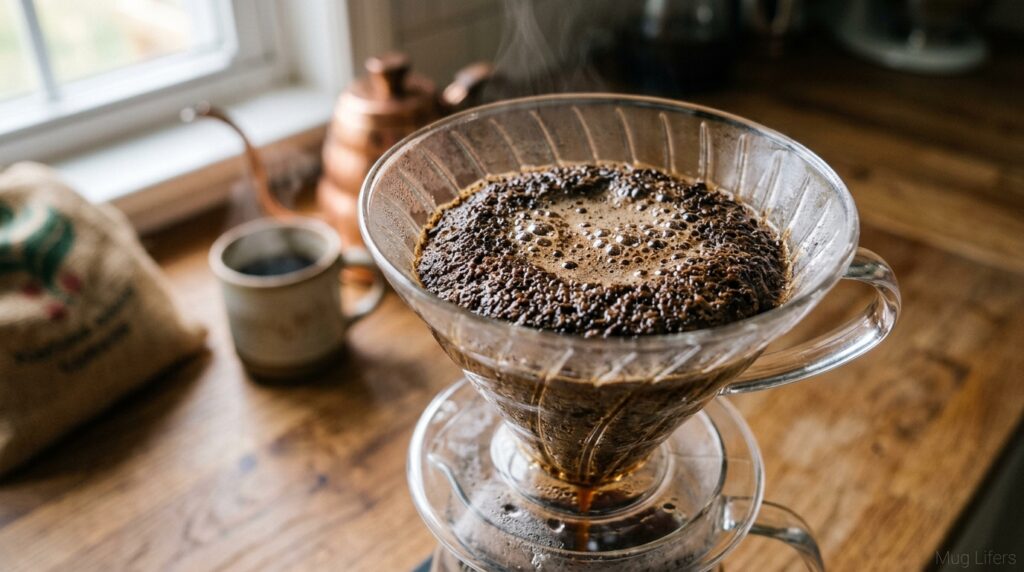
Hot water moves with greater energy, which means the extraction process happens much more efficiently. That is why most brewing methods rely on hot water to pull flavor from the coffee grounds. By utilizing hot water, you achieve a finished brew in minutes rather than hours.
Taste follows temperature. If the hot water is too cool, the process slows down and the brew can taste flat. If the temperature is too high, especially when using dark roasts, bitter notes can emerge rapidly. Think of heat like turning up the burner on a stove. A little helps, but too much can easily scorch the result.
How Coffee Steeping Pulls Flavor From Grounds
When coffee grounds meet water, the liquid begins the process of extraction, dissolving the compounds that give coffee its distinct character. Some flavors are released quickly, while others require more time to emerge. This timing is a critical factor in crafting your brew.
A short steep can result in a sour, weak, or hollow cup. A long one can push your coffee into bitter, dry territory. The ideal balance is found when the flavor profile feels harmonious, with enough body, natural sweetness, and a clean finish that does not leave a harsh sensation on your palate.
Why Hot Water Speeds Up Coffee Steeping
Hot water moves with greater energy, which means the extraction process happens much more efficiently. That is why most brewing methods rely on hot water to pull flavor from the coffee grounds. By utilizing hot water, you achieve a finished brew in minutes rather than hours.
Taste follows temperature. If the hot water is too cool, the process slows down and the brew can taste flat. If the temperature is too high, especially when using dark roasts, bitter notes can emerge rapidly. Think of heat like turning up the burner on a stove. A little helps, but too much can easily scorch the result.
How Grind Size Changes Coffee Steeping Results
The grind size changes how much of the coffee surface the water can reach. Finer particles have more exposed surface area, so they release flavor quickly. Coarser particles slow the process down because the water has less contact area to work with at once.
This is why choosing the right grind size is so important. Using fine coffee in a French press can result in a muddy, bitter cup. Conversely, using coarse coffee in a quick steep often leads to a weak brew. If you want to ensure your grounds are consistent, using a high-quality burr grinder is the best way to achieve the perfect texture. When the grind size is perfectly matched to your steeping method, the entire process feels much more forgiving.
The most common ways coffee gets steeped
You do not need a lab coat to see steeping in action. It shows up in some of the most familiar immersion brewing methods, and each one uses time a little differently to pull flavor from your coffee grounds.
French press and its full-bodied cup
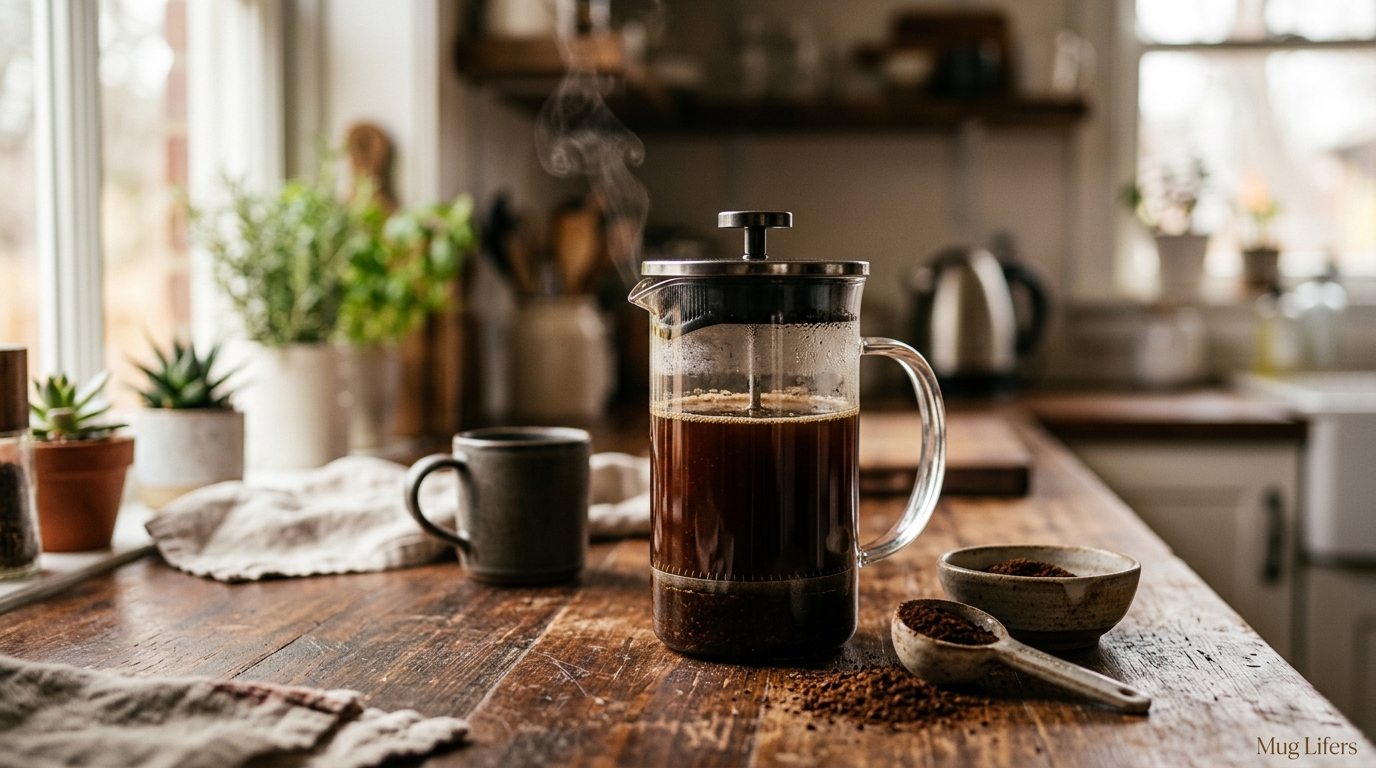
The French press is perhaps the most iconic example of immersion brewing. Coffee grounds sit in hot water for about four to five minutes, then the plunger pushes a metal filter down to separate the spent beans from the brewed coffee. For the best result, use a coarse grind to ensure the metal filter keeps most of the sediment out of your final mug.
That full contact creates a rich cup with more natural oils and a heavier texture. It can taste round, deep, and satisfying, especially with medium or dark roasts. It is also unforgiving if you let it sit too long. Miss the timing, and the same body that feels luxurious can start tasting rough. While this method creates a robust flavor profile, it offers a stark contrast to the clarity you might get from a pour over or the pressure extraction found in a Moka pot.

Cold brew and the slow steep
Cold brew flips the usual script. Instead of hot water and a few minutes, this immersion brewing staple uses cool water and a long wait, often 12 to 24 hours. Because the water temperature is lower, extraction happens much more slowly.
The result is usually smooth, mellow, and lower in perceived acidity. It will not hit the same bright notes as hot coffee, but that is the point. Cold brew is less spark, more glide. It creates a distinct experience compared to an AeroPress, which often emphasizes speed and intensity over the mellow profile of a long, cold steep.
Coffee bags and other simple steeped options
Coffee bags work a lot like tea bags. You drop a brew bag into hot water, let it steep, then remove it when the flavor profile is just right. Because they are often nitro sealed for freshness and frequently made from compostable materials, they are an excellent choice for sustainability and quality.
These single-serve options are easy, portable, and low-fuss. For travel, office desks, hotel rooms, or rushed mornings, they make a lot of sense. The cup may not have the depth of a French press, and you do not need a secondary coffee filter, but convenience counts. If you need a quick, high-quality single-serve cup without the cleanup of traditional equipment, a brew bag is a perfect solution.
How to get better results when steeping coffee at home
Good coffee at home usually comes down to four things: time, temperature, ratio, and attention. Not perfection, attention. You don’t need to measure every drop, but you do need to notice what changed.
If your last cup missed the mark, don’t change five things at once. That is how good coffee turns into confusion.
Start with the right steep time
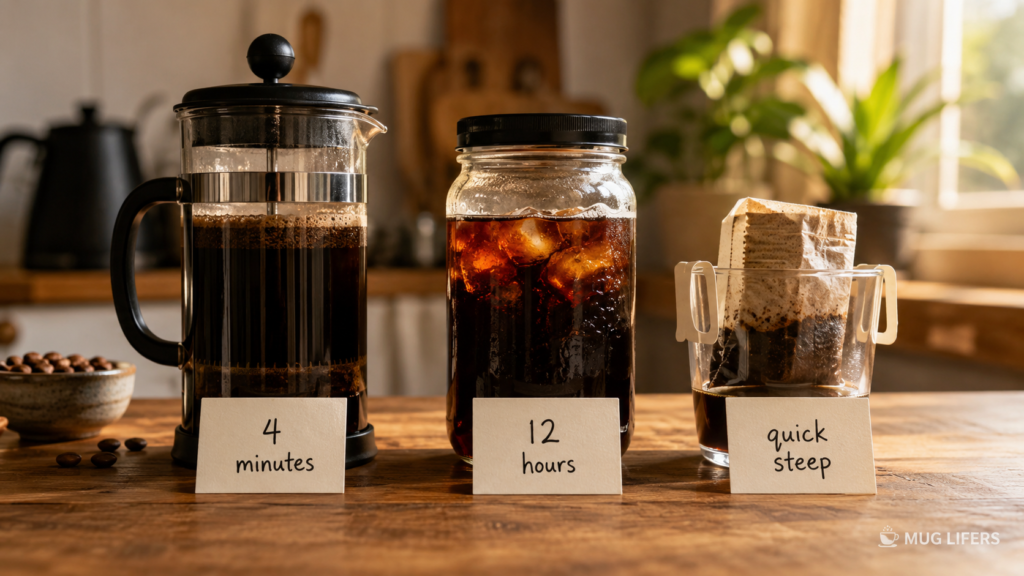
Steep too little, and coffee can taste sharp, thin, or oddly salty-sour. Steep too long, and bitterness starts crowding out the good stuff. Finding the ideal steeping time is the most important variable for your success.
Match your steeping time to the specific brewing method first. A French press usually lands around four to five minutes. Coffee bags are often shorter. Cold brew needs hours because the water is cold. Roast level matters too. A medium roast or darker roast often needs a gentler hand, while lighter roasts can handle a bit more extraction before they go bitter.
Use fresh beans and clean water
Stale beans make dull coffee. Bad water makes dull coffee too. People love to chase gadgets, but fresh coffee and decent water usually matter more.
If your coffee grounds have been sitting open on the counter, steeping will not rescue them. A simple guide on how to keep coffee beans fresh can make your next brew taste more alive. Pay attention to water temperature as well. While many people reach for boiling water, using water that has just come off a rolling boil is safer. If you are using a coffee filter, ensure it is rinsed with hot water first. Do not use water that is at a violent, bubbling, rolling boil, as it can scorch the delicate aromatics. If you wouldn’t drink the water plain, don’t brew with it.
Taste, adjust, and keep notes
This is the part that makes home brewing easier, not harder. Change one thing, then taste again. Maybe steep 30 seconds less. Maybe grind a bit coarser. Maybe use a touch more coffee.
Write it down if you can. Nothing fancy. Too bitter, shorten the time. Too weak, grind finer. Those little notes save you from repeating the same bad cup three days later.
Small changes in your process can swing a cup from sour to sweet, or from balanced to bitter.
That is the fun of it. Coffee steeping isn’t magic. It is a series of small choices you can learn to control regardless of your preferred brewing method.
Frequently Asked Questions
How can I tell if I have steeped my coffee for too long?
If your coffee tastes bitter, dry, or harsh, it probably steeped too long. The water kept pulling flavor from the grounds after the good flavors were already out.
Can I use the same grind size for all steeping methods?
No. Match the grind size to the brewing method. Coarse grounds work better for French press and other long steeping methods. Finer grounds work better for faster brewing.
Why does cold brew require such a long steep time?
Cold brew uses cold or room-temperature water, which extracts flavor slowly. That is why it often needs 12 to 24 hours to pull enough flavor from the coffee grounds.
Should I adjust my steeping time for different roast levels?
Yes. Dark roasts often release flavor faster and can turn bitter sooner. Light roasts may need a little more time to bring out their brighter and more layered flavors.
Final Thoughts
Coffee steeping is a delicate balance of water, time, and grounds working together. This extraction process is where the magic happens; change just one of those variables, and the final cup changes with it.
That is why a four-minute French press tastes different from a 16-hour cold brew, even when using the same beans. While drip coffee often relies on a coffee filter to remove fine particles and oils, immersion brewing methods allow the grounds to sit directly in the water. Unlike using paper filters that clarify the body of the cup, steeping highlights the rich textures and deep flavors that paper filters might otherwise trap.
Once you see steeping for what it is, coffee gets much easier to read. Start simple. Watch the clock, use fresh beans, and trust your taste buds. A better mug is usually just one small adjustment to your brewing method away.
This post may contain affiliate links. If you make a purchase through these links, I may earn a small commission at no extra cost to you.