
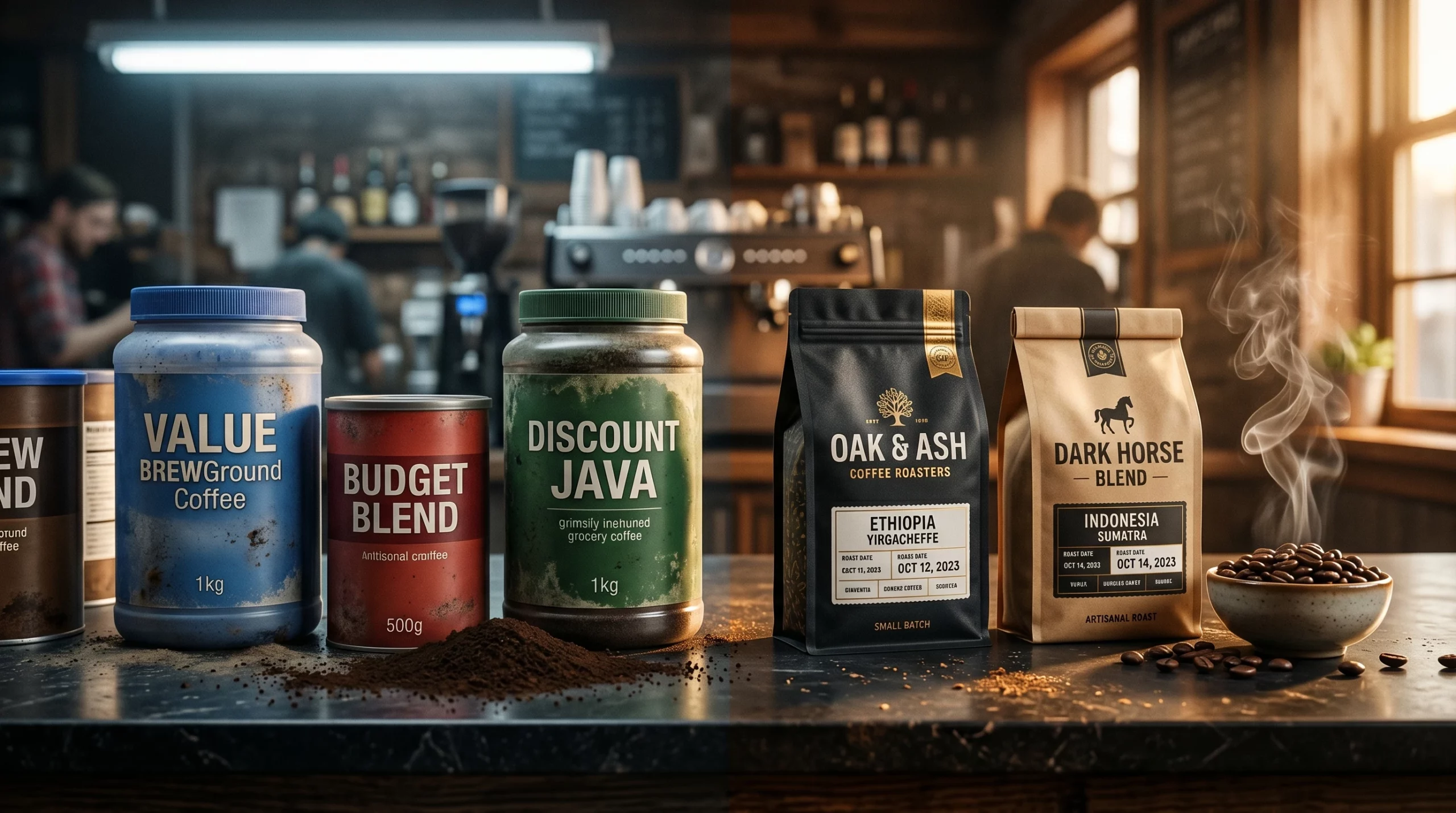
Most people don’t think twice about which coffee brands to avoid. They grab the brand they’ve seen forever, trust the label, and assume a dark, strong taste means quality. The whole point of this breakdown is that cheap coffee can hide a lot.
When a bag or canister is built around low-grade beans, stale inventory, and heavy roasting, the cup can taste rough and feel rough too. If you’ve ever wondered why one coffee feels smooth and another leaves you jittery, sour-stomached, or burned out by noon, this is where the picture starts to clear up.
What makes a coffee brand hard to trust
The case against these brands isn’t built around one dramatic ingredient. It’s built around a pattern. Over and over, the same complaints show up: cheaper bean blends, long storage times, burnt roasting, weak sourcing details, and no public testing data for things like mold toxins or pesticide residue.
A big part of the argument comes down to bean quality. Several of the brands on this list are criticized for leaning heavily on Robusta or lower-grade blends instead of better Arabica. In this breakdown, that choice is tied to more bitterness, less flavor complexity, and a higher chance of defects or poor storage showing up in the final cup.
Then there’s freshness. Coffee isn’t shelf-stable in the way people like to pretend it is. Once it’s roasted, the clock starts ticking. If beans sit for months in warehouses, metal cans, giant tubs, or vacuum-packed bulk bags, the flavor drops off fast. What used to be fragrant and lively can turn flat, sour, or rancid.
If a coffee tastes “strong” only because it’s burnt, bitter, or stale, that’s not quality. It’s damage.
Roasting gets used like a mask in a lot of these criticisms too. A very dark roast can bury flaws, but it can also flatten the cup into one note: smoke, char, bitterness. Add in vague sourcing, missing roast dates, and no clear purity testing, and you’ve got a product asking for trust without giving much back.

Coffee can be simple, but the way it’s sourced, stored, and roasted changes everything.
The grocery-store brands that take the most heat
The easiest coffees to buy are often the ones people stop questioning. That’s what makes this first group stand out. These are the names that have lived on store shelves for years, built on habit, price, and familiarity.
Folgers
Folgers is one of the most recognizable coffee brands in the country, but it’s also one of the harshest targets on this list. The main complaint starts with the beans. Folgers is described as relying heavily on cheaper Robusta, which is framed here as rougher, more bitter, and less complex than better Arabica coffee. The breakdown also connects Robusta-heavy commodity coffee with a bigger risk of defects, stale storage, and off flavors.
The second complaint is the roast itself. Folgers is criticized for pushing beans too dark, creating that burnt, bitter profile many people have come to treat as “normal coffee.” In this view, the roast isn’t giving the coffee character, it’s covering age and lower quality. The brand also gets knocked for weak freshness, possible mold toxin concerns in mass-produced coffee, and a supply chain that favors huge volume over careful sourcing. If your coffee tastes more like char than flavor, this is the exact kind of brand the list says to skip.
Maxwell House
Maxwell House gets hit for many of the same reasons, but with even more attention on transparency. The criticism here is simple: cheap, mass-produced beans, industrial roasting, and almost no helpful detail for the person buying the can. No clear roast date, no specific sourcing regions, no public mold toxin or pesticide testing, and no real way to tell what kind of freshness you’re getting.
Taste is a big part of the complaint too. Maxwell House is described as heavily roasted to the point of bitterness, with a cup that often feels acidic and harsh unless it’s softened with cream or sugar. The argument isn’t that the flavor is “strong.” It’s that the flavor has been flattened by old beans and heavy processing. Add in little emphasis on fair trade, sustainability, or farm-level accountability, and the brand ends up looking more like a cost-cutting machine than a coffee company that cares about what’s in the mug.
Yuban
Yuban gets a different kind of criticism because it used to carry a more premium image. The complaint here isn’t only that the coffee is weak now, it’s that the brand appears to have drifted away from what made it respectable in the first place. In the breakdown, Yuban is described as moving from better Arabica toward cheaper Robusta-heavy blends, which changes the cup fast: more bitterness, more acidity, less balance.
Freshness also comes up again. Yuban’s large tubs and mass-market distribution are painted as part of the problem, with coffee sitting too long in storage before it reaches the kitchen. The result, according to the complaints summarized here, is a stale taste that can show up almost as soon as the container is opened. The brand also gets called out for a lack of sourcing details, a lack of testing information, and a fading emphasis on the ethical messaging it used to promote. For a coffee that once tried to sound careful and responsible, that’s a rough fall.
Cafe Bustelo
Cafe Bustelo has a loyal following, and for a lot of people that intense, espresso-style punch is the whole appeal. But this list treats that strength as part of the problem, not the selling point. The brand is criticized for relying almost entirely on Robusta beans, which are framed here as harsher, more acidic, and more likely to come with defects or questionable storage conditions when sourced through large commodity channels.
The roasting style gets just as much attention. Cafe Bustelo is described as roasted to a very dark, almost burnt level, which creates the smoky, forceful taste people associate with the brand. In the breakdown, that isn’t read as craftsmanship. It’s read as a way to hide lower-grade beans. The brand is also tied to concerns about mold toxins in lower-tier espresso-style coffees, with no published testing offered to clear the air. Add in missing fair trade and sustainability details, and the argument becomes pretty blunt: bold flavor doesn’t automatically mean good coffee.
The bulk and bargain coffees that raise the same red flags
The next group gets criticized less for brand identity and more for the system behind it. These are the coffees built around scale, price, and long shelf life. That can work for paper towels. It doesn’t do coffee any favors.
Kirkland Signature Medium Roast
Kirkland Signature’s medium roast, the Costco house-brand option, gets singled out for inconsistency. The complaint here is that the coffee comes from huge blends pulled from multiple countries, farms, and suppliers, which makes batch quality harder to trust. It’s described as a mix of lower-grade Arabica and Robusta, which means less character and more room for bitterness, defects, or stale notes.
Freshness is the bigger issue. This coffee is roasted in bulk, packed in bulk, shipped in bulk, and stored in bulk. That’s great if your goal is volume. It’s not great if your goal is a lively cup. The breakdown also points to missing public toxin screening data, oily bean surfaces that can signal faster degradation, and almost no transparency around how or where the beans were grown. The pitch is value. The concern is that the value comes from cutting the exact corners that matter most in coffee.
Chock full o’Nuts
Chock full o’Nuts has old-school name recognition, but the criticism here is that the coffee feels old-school in the worst way. It’s described as built from low-grade Robusta blended with cheaper Arabica, then roasted dark enough to cover the flaws. Instead of sweetness or depth, the cup is said to land in the muddy, metallic, charred zone.
The packaging doesn’t help. Long shelf life in metal cans is treated as a freshness problem, not a convenience. When coffee sits that long, the aroma drops, the oils turn, and the brew can take on sour or rancid edges. On top of that, the brand is criticized for not publishing details about screening for mold toxins, pesticides, or heavy metals, and for offering little transparency around farming practices or labor conditions. If you need a lot of cream and sugar to make a coffee tolerable, that’s not much of an endorsement.
McCafe Ground Coffee, store-bought version
The breakdown makes a sharp distinction here: the coffee you get fresh at McDonald’s is not the same thing as the packaged McCafe ground coffee sold in stores. The bagged version is criticized as a mass-market product designed for shelf life first, freshness second. The beans are described as coming from large bulk lots, moving through long supply chains, and reaching shelves long after their best moment has passed.
Bean quality and packaging both take heat. McCafe ground coffee is described as using lower-grade Arabica from mixed sources, with no published third-party test results for mold toxins or pesticide residue. The roast is called dull and overprocessed, with some drinkers reporting burnt or cardboard-like notes. Even the bag gets criticized for weaker freshness protection compared with specialty coffee packaging. Put simply, the restaurant cup may be fine for what it is, but the store-bought bag doesn’t get the same benefit of the doubt.
Why Death Wish coffee stands apart on this list
Death Wish Coffee gets treated differently from the other brands because the biggest complaint isn’t only bean quality or freshness. It’s the brand’s whole identity. The discussion opens with a mention of a recall involving 11-ounce cans of Death Wish nitro cold brew, then turns to the broader issue: a coffee sold on extreme strength.
The claim in the breakdown is that a single cup can push past 700 mg of caffeine, depending on how it’s brewed. That’s far beyond what most people think of as a standard morning cup. For someone with caffeine sensitivity, anxiety, sleep issues, high blood pressure, or heart concerns, that turns the coffee into a risky choice fast. Even for people who tolerate caffeine well, the argument is that the experience can swing from a huge jolt to a hard crash.
Roast level is the next problem. Death Wish is described as an ultra-dark roast, which gives the brand its heavy, aggressive flavor but also raises the same old questions about burnt beans, hidden defects, and lost nuance. The blend of Robusta and Arabica adds to the concern because the Robusta side is tied, in this breakdown, to even more bitterness and a greater mold toxin risk. The brand says it tests for purity, but the criticism is that public third-party lab results aren’t readily shown. Add vague sourcing language, “high-quality farms” without much else, and the whole product ends up looking built for shock value more than trust.
The pattern behind all eight brands
Once you line these brands up, the complaints stop looking random. The same handful of issues keep showing up in slightly different packaging.
What Can Hurt Coffee Quality?
Not every bag of coffee starts with the same standards. These patterns show up often in lower-quality products and can change flavor, freshness, and trust.
| Repeated Problem | How It Shows Up | Why It Matters |
|---|---|---|
| Cheap bean selection | Heavy use of Robusta or low-grade blends | Can create more bitterness, less flavor depth, and greater concern about defects |
| Long storage time | Large tubs, cans, warehouse stock, global bulk shipping | Coffee gradually loses aroma and can develop a flatter taste |
| Overroasting | Burnt, smoky, oily beans | Heavy roasting can hide bean flaws and create a bitter cup |
| Missing transparency | No roast dates, farm details, or sourcing information | Makes it difficult to know what you’re actually buying |
| Weak purity disclosure | No public third-party testing for mold or pesticides | Trust relies mostly on label claims |
That doesn’t prove every bag from every brand is bad every single time. It does explain why these names keep ending up in the same conversation. A coffee can be familiar, cheap, and easy to find, and still be a lousy daily habit.
Roast date, sourcing details, and published testing tell you more than brand nostalgia ever will.
Two coffee brands presented as better bets
The list doesn’t stop at what to avoid. It also points to two brands framed as cleaner, better sourced, and easier to trust if you want a coffee that tastes good without all the question marks.
Bulletproof Coffee
Bulletproof Coffee gets praised for something most mass-market brands avoid: public testing. The big selling point in this breakdown is third-party screening for mold, mycotoxins, and chemical residues. Right away, that separates it from brands that lean on branding while keeping their quality checks private or vague.
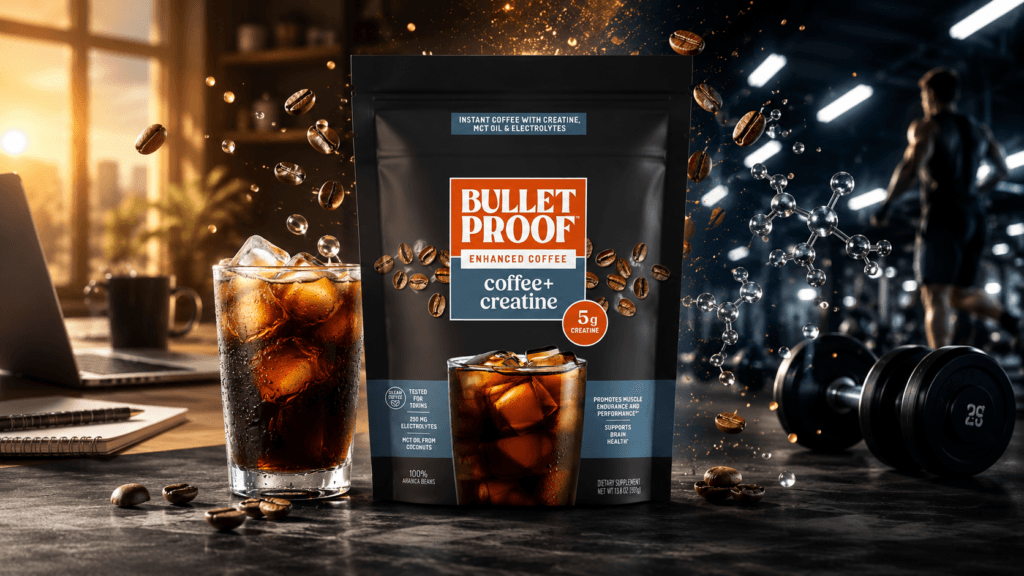
The sourcing story matters too. Bulletproof is described as using beans from high-altitude farms and a chemical-free washing method, with the idea that cleaner growing and processing lowers the risk of contamination. On the cup side, the coffee is framed as smooth, rich, and chocolaty instead of bitter or burnt. The roast is described as careful rather than aggressive, which fits the broader theme of the whole list: a better coffee shouldn’t need charred flavor to feel strong. The brand also gets credit here for more origin transparency, with beans sourced from Central and South America under tighter environmental and labor standards.
Stumptown Coffee Roasters
Stumptown Coffee Roasters is presented as the specialty-coffee answer to everything the worst brands get wrong. The praise starts with transparency. Stumptown is described as working directly with small farms and publishing origin, harvest season, and processing details, which gives buyers real information instead of generic promises.
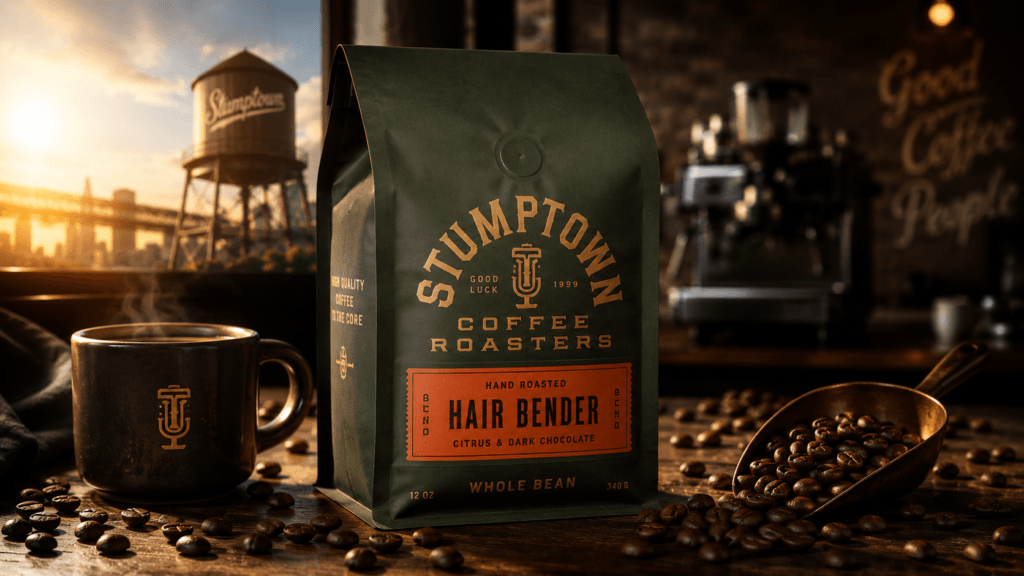
Freshness is another big reason it lands in the “buy” column. Roast dates are clearly printed, batches are kept small, and the packaging is described as better at holding aroma and flavor. In the cup, Stumptown is praised for medium and lighter roasts that keep the natural character of the bean intact, with flavor notes that can come off fruity, floral, or caramel-like instead of burnt and flat. It’s also called out as versatile, working well for pour-over, French press, cold brew, or espresso. More than anything, Stumptown is held up as proof that good coffee doesn’t need mystery, gimmicks, or a smoke-screen of bitterness.
Final thoughts
A coffee brand doesn’t get a pass because it’s famous, cheap, or sitting in every grocery aisle in America. If the beans are stale, the roast is covering flaws, and the company won’t tell you much about sourcing or testing, the label isn’t doing you any favors.
The strongest takeaway here is simple: familiar isn’t the same as trustworthy. When you start paying attention to freshness, bean quality, sourcing, and transparency, a lot of once-normal coffee starts looking a lot less appealing.